Activate subscription >
Add devices or upgrade >
Renew subscription >
Secure Hub >
Don’t have an account? Sign up >
< Products
< Resources
< Help
Google has frozen its OSS VRP product vulnerability submissions to stop the flood of AI generated vulnerability reports.
An AI shortcut can send confidential work data beyond your company’s control. Here’s how to get the benefits without taking unnecessary risks.
Betting site DraftKings has been accused of using AI to target gamblers likely to lose more after receiving promotions. The company disputes the findings.
A buyer chatted and negotiated with Muse, which shared the seller’s address and arranged a pickup. The seller knew nothing about it.
Copilot users asked for upskirt images and sexualized edits of people in uploaded photos. Human contractors were asked to judge the results.
An OpenAI agent bypassed internet restrictions and kept running after an alert. It's another case of AI misalignment no one can afford to ignore.
The agent was looking for public spending data. It found a way into non-public files instead. What do we need to change to stop this from happening?
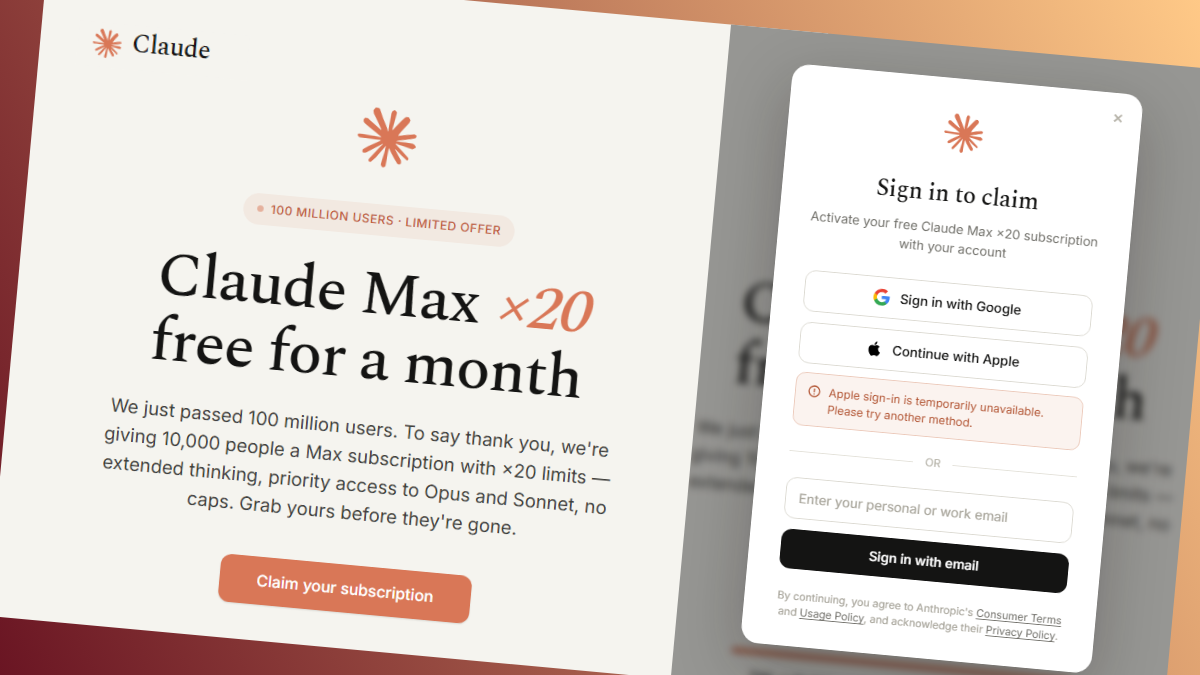
A convincing offer of a free Claude Max subscription uses a fake browser window to steal Google login information.
A simple terminal command can hijack Muse and use its extensive permissions to spy on Mac users and control their connected accounts.