Activate subscription >
Add devices or upgrade >
Renew subscription >
Secure Hub >
Don’t have an account? Sign up >
< Products
< Resources
< Help
We found dozens of fake World Cup streaming sites using football as bait to funnel visitors through a malicious advertising network.
We found EtherRAT malware being distributed by a website with a strange homepage. Following the trail, we discovered a vast network of malicious infrastructures, distributing malware, malicious documents, remote desktop software, and phishing pages.
A convincing fake FACEIT verification page is stealing Steam accounts by using a fake login window that looks completely legitimate.
Cybercriminals are hiding malware in cracked and repacked games, infecting more than 400,000 devices worldwide.
Invoices pretending to be from Amazon, PayPal, and others reveal how criminals use fear and phone calls to steal money and devices.
Cybercriminals prefer infostealers to traditional phishing techniques because they reduce friction, scale well, and are widely available.
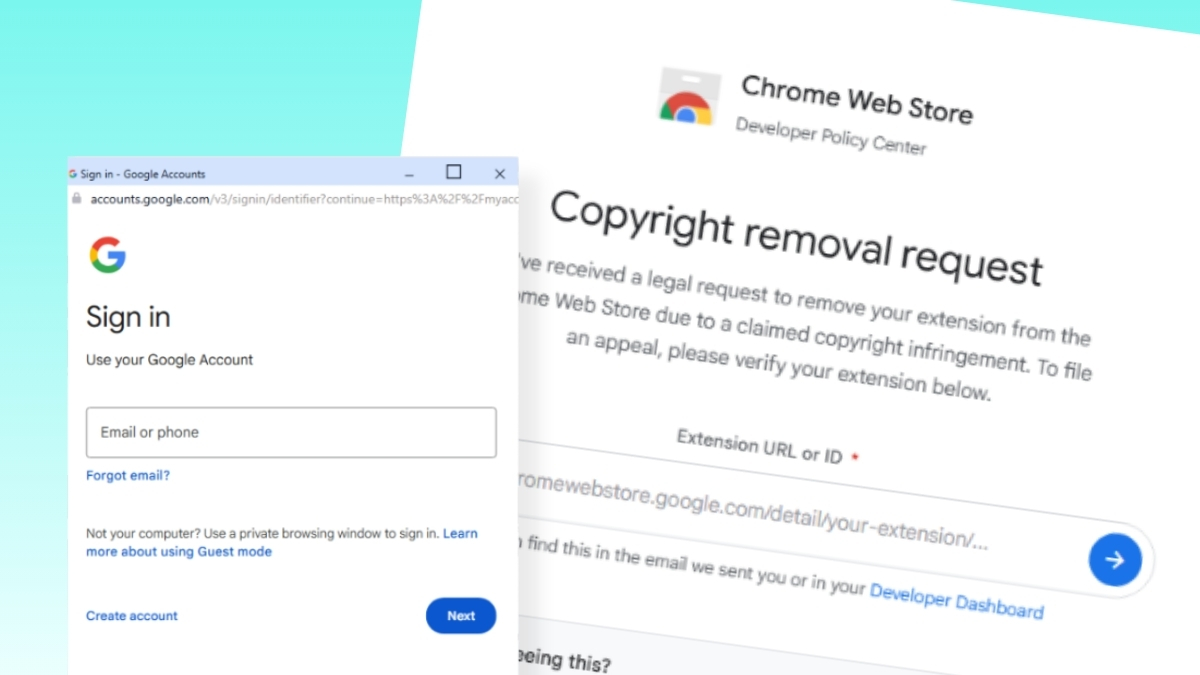
Scammers use fake takedown requests, countdown timers, and spoofed sign-in screens to steal Google logins from Chrome developers.
A fake BlueWallet download tricks Mac users into running malware that steals passwords, crypto wallets, and clipboard data.
Searching for ChatGPT? This fake download site serves malware to both Windows and Mac users, using separate payloads tailored to each platform.