Activate subscription >
Add devices or upgrade >
Renew subscription >
Secure Hub >
Don’t have an account? Sign up >
< Products
< Resources
< Help
Scammers are tricking Reddit and Discord users into handing over login codes by claiming they were involved in a false report.
Scammers are using AI-generated images to make fake stories more convincing. Here's how to separate real from fake.
We uncovered fake domain renewal notices and convincing websites to pressure website owners into paying scammers.
No matter what a website claims, nobody is selling legitimate GTA 6 early access. And scammers are counting on fans believing otherwise.
Retro gaming fans should be careful with GitHub projects that claim to be tools or plugins for their consoles. We looked at one example aimed at PlayStation Vita owners.
We found dozens of fake World Cup streaming sites using football as bait to funnel visitors through a malicious advertising network.
A convincing fake FACEIT verification page is stealing Steam accounts by using a fake login window that looks completely legitimate.
Invoices pretending to be from Amazon, PayPal, and others reveal how criminals use fear and phone calls to steal money and devices.
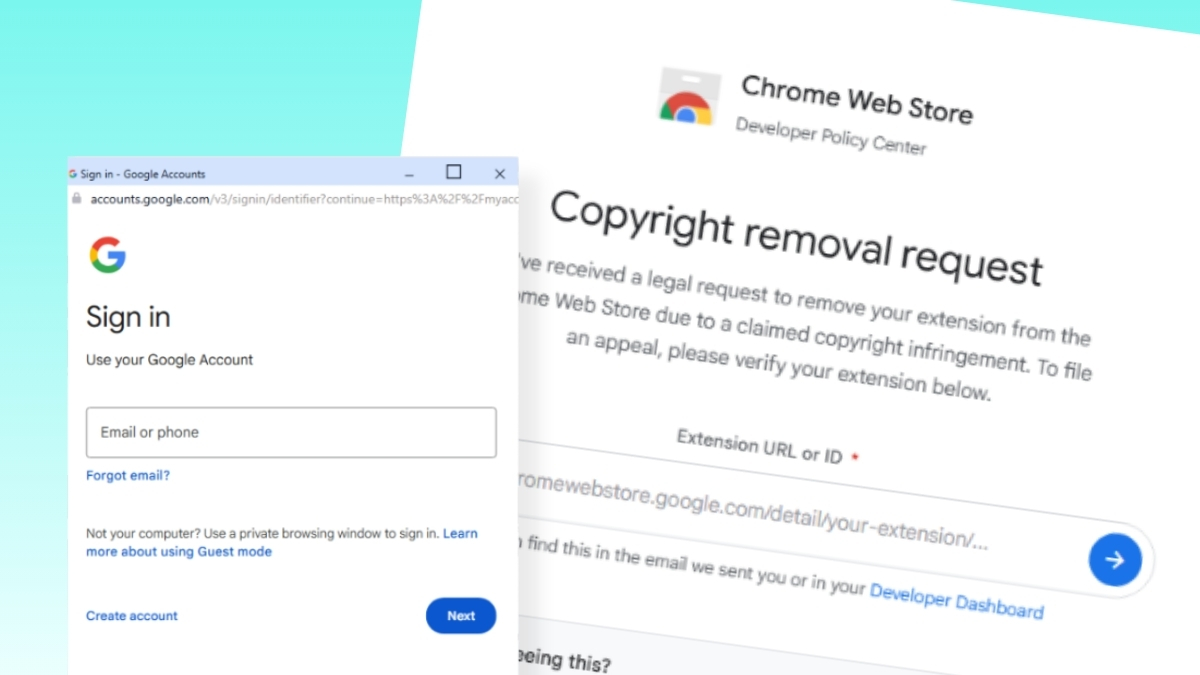
Scammers use fake takedown requests, countdown timers, and spoofed sign-in screens to steal Google logins from Chrome developers.
Contributors
Threat Center
Podcast
Glossary
Scams