Activate subscription >
Add devices or upgrade >
Renew subscription >
Secure Hub >
Don’t have an account? Sign up >
< Products
< Resources
< Help
New Malwarebytes research reveals how different scams are tailored to different platforms.
A fake GTA 6 leak is using wallet-draining code to steal cryptocurrency, tokens, and NFTs from eager fans.
A trusted name on a trusted platform does not guarantee a trustworthy listing. It could still lead to a tech support scammer.
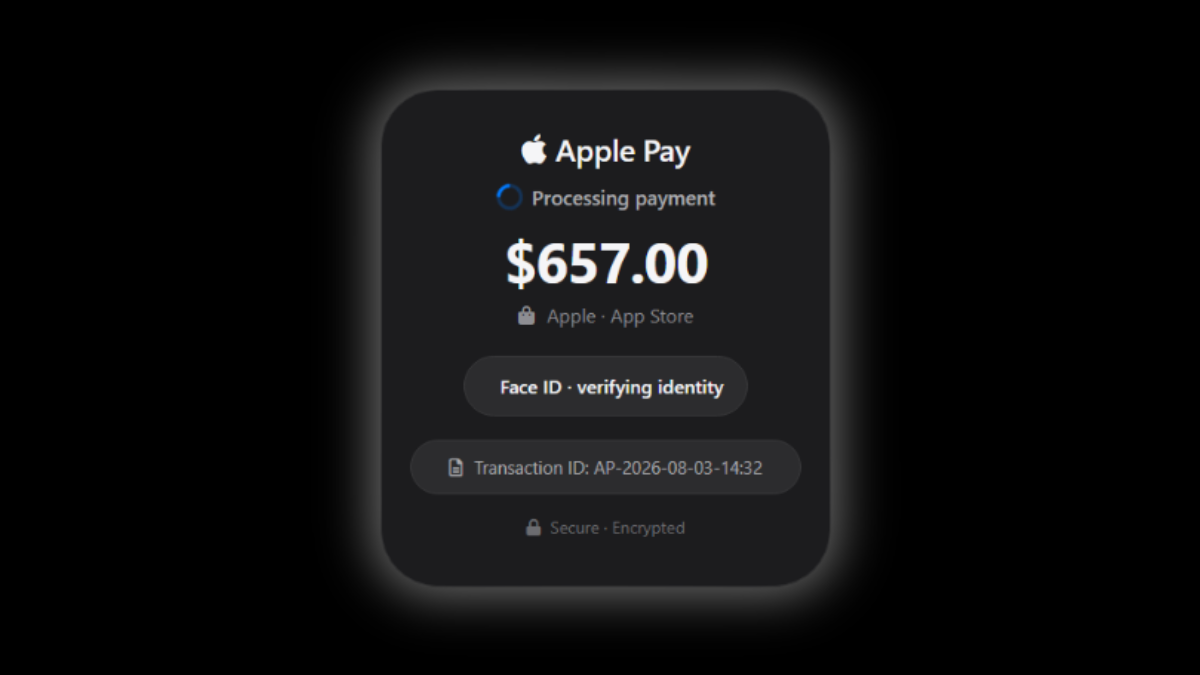
Built for mobile users, this tech support scam uses a fake Apple Pay alert and browser tricks to pressure victims into calling a scam number.
Scammers are posing as employers on Indeed to trick job seekers into installing fake Android interview apps that deliver malware.
Scammers use fake TikTok login pages, warnings, and verification offers to trick you into handing over your account details.
Bogus “Play Now” sites are exploiting the GTA 6 leak hype to spread malware that steals passwords stored in browsers.
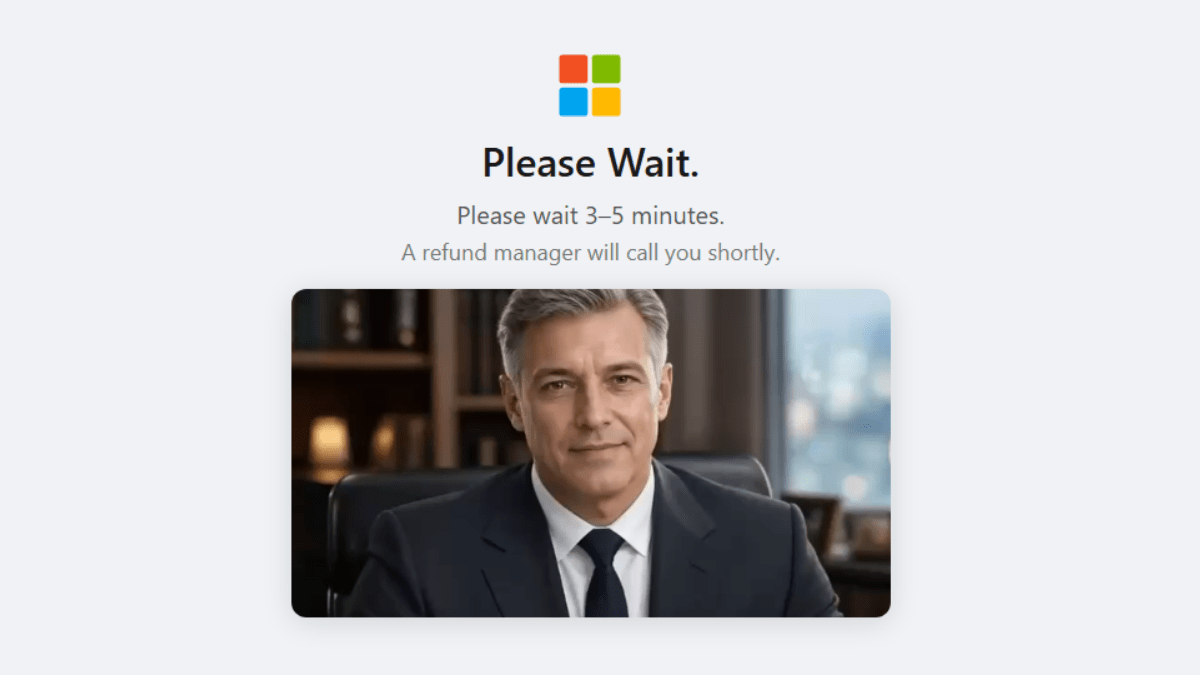
We found fake Microsoft-branded scanners that invent security problems, tell victims to uninstall AV, and then steer them into a refund scam.
We found wallet-checking sites impersonating real anti-money laundering services that trick people into approving access to scammers.