
In this article
- OXLoader can lead to malware that steals browser passwords and data or gives criminals remote access to a Windows PC
- Fake copyright complaints and cracked software activators are among the lures used to spread it
- What to watch for in suspicious downloads and how to reduce the risk
We’ve seen an increase in activity involving OXLoader, a loader that installs other malware on a computer. Elastic first documented it in June 2026, when attackers used Google Ads to distribute CASTLESTEALER through OXLoader.
The malware installed varies by campaign. We found OXLoader distributing Remcos, OverLord, PureRAT, Lunex Stealer, LOLD, and Hermes. Depending on the payload, attackers could steal saved browser passwords and other data, remotely control the computer, or download more malware.
We found OXLoader in malicious ZIP files disguised as complaint or copyright-infringement notices, as well as fake software activators. One campaign we analyzed used fake activators downloaded from GitLab.
Below, we take a technical deep dive into how that campaign works, including how OXLoader uses DLL hijacking to unpack and run malware.
How to stay safe
Here are a few simple ways to stay safe:
- Be wary of emails or links that tell you to run software in connection with copyright infringement or complaints.
- Watch for executables with very long names or double extensions, such as
.docx.exeor.pdf.exe. - Pay attention when you extract an archive. If some of the files it contains don’t appear, be cautious.
- Downloading activators or cracks can compromise your device.
- Install Malwarebytes Browser Guard, our free browser extension, to block malicious websites and suspicious downloads.
- Use Malwarebytes Premium to block malware in real time, including malicious files.
Overview of the detected campaigns
In this section, we analyze several detected campaigns. In the cases we examined, OXLoader was decrypted either by malicious code embedded in legitimate executables, as in Elastic’s analysis, or through DLL hijacking. DLL hijacking is one of the key new features we observed in these campaigns. The rest of the infection chain is similar to the one Elastic identified.
We identified several DLLs used to decrypt and execute OXLoader, including:
Qt5Widgets.dllQt6Core.dllSDL3.dllUnityPlayer.dllANCUtility.dlldbghelp.dllmsvcr100.dll
In some cases, we found other DLLs that had been tampered with to launch the malicious DLL. The executables involved were associated with Microsoft applications, Steam, OBS Studio, and PDF or Word readers.
Across different campaigns, OXLoader was distributed using themes related to complaints and copyright infringement. Malicious ZIP files were distributed in several ways. For example, a user might receive an email with an attached PDF prompting them to download and run a ZIP file, claiming there had been “unauthorized copying of brand intellectual property.”
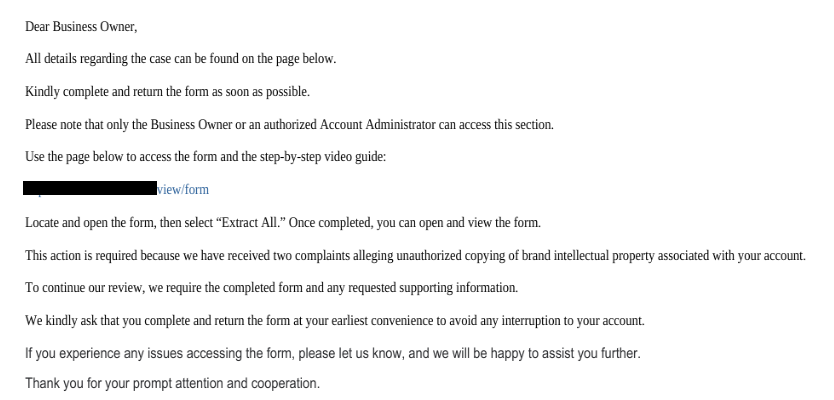
When the user runs the executable, the infection chain begins through DLL hijacking, and a fake PDF opens. In this case, WindowsCodecs.dll is the trojanized DLL used to decrypt OXLoader.

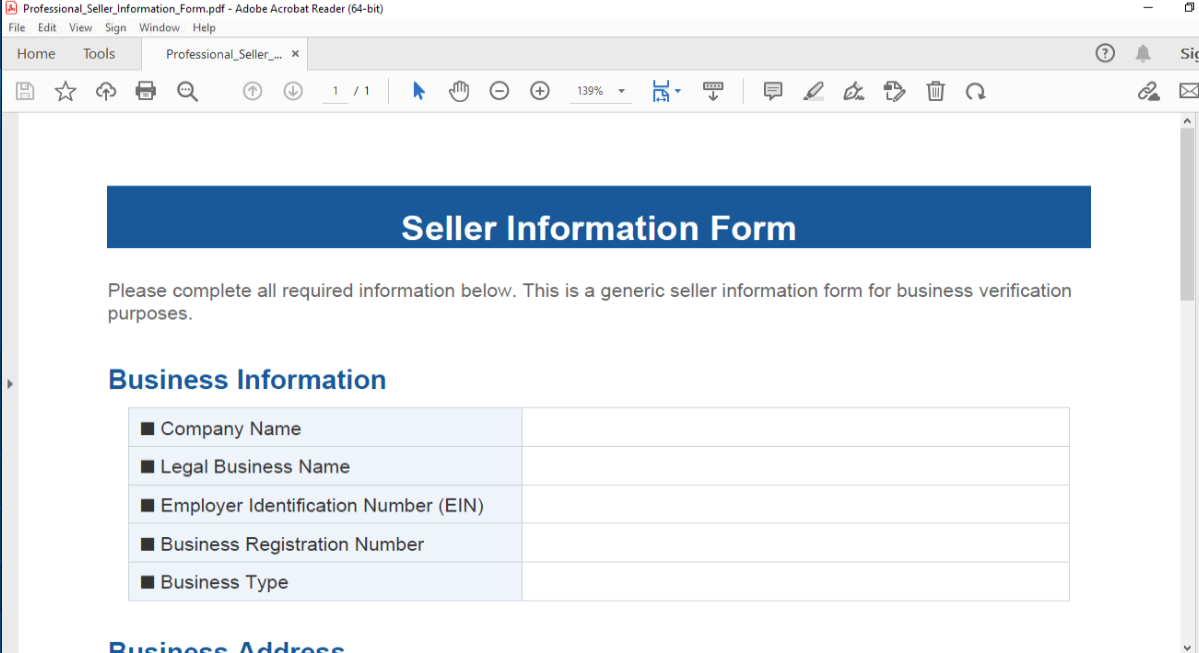
In some cases, a batch file is present instead of the executable and DLLs. It downloads a ZIP file containing the malicious DLL from different websites or hosting providers. The batch file’s content is similar to the one analyzed by Elastic. These files have long names, for example:
Photo_{RANDOM NUMBERS}_Product_Review_Order_Front_Back_PDF.bat

Form_Video_{ RANDOM NUMBERS }_Review_Front_Back_{RANDOM_NUMBERS}_Review_Front_Back.bat

Case_Form_Video_{RANDOM NUMBERS}_Review_Front_Back_{RANDOM_NUMBERS}_Review_Front_Back.bat
In other cases, OXLoader was distributed through ZIP archives named Evidence_of_Violation.zip, downloaded from Google Sites. These websites used different titles and graphics.
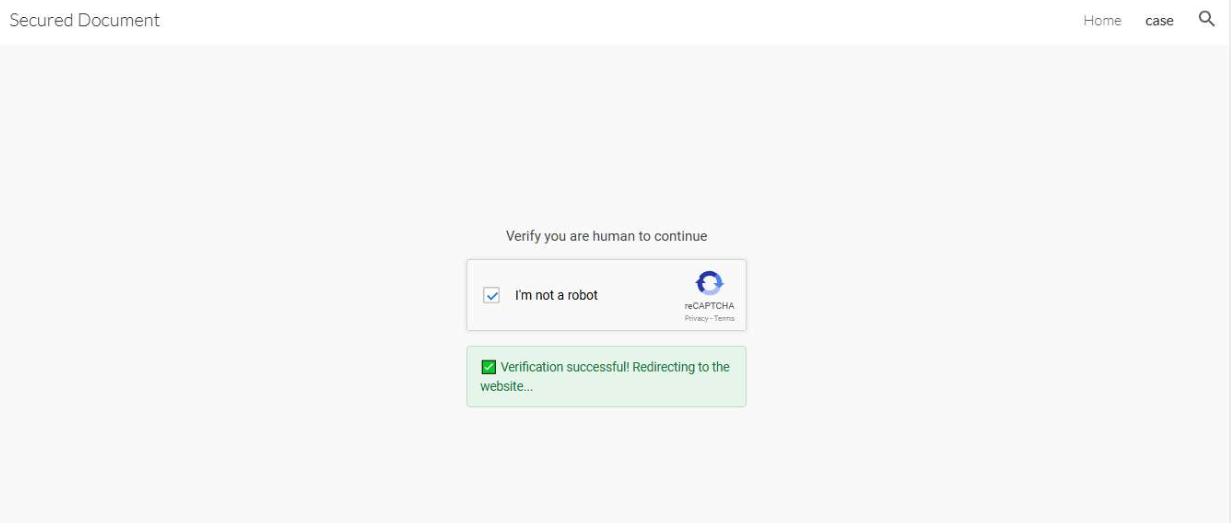
In this case, WinWord.exe is renamed with a double extension, such as Travel_Point_Conditions.docx.exe or evidence_of_violation.docx.exe. OXLoader is then executed through DLL hijacking using the malicious DLL msvcr100.dll.

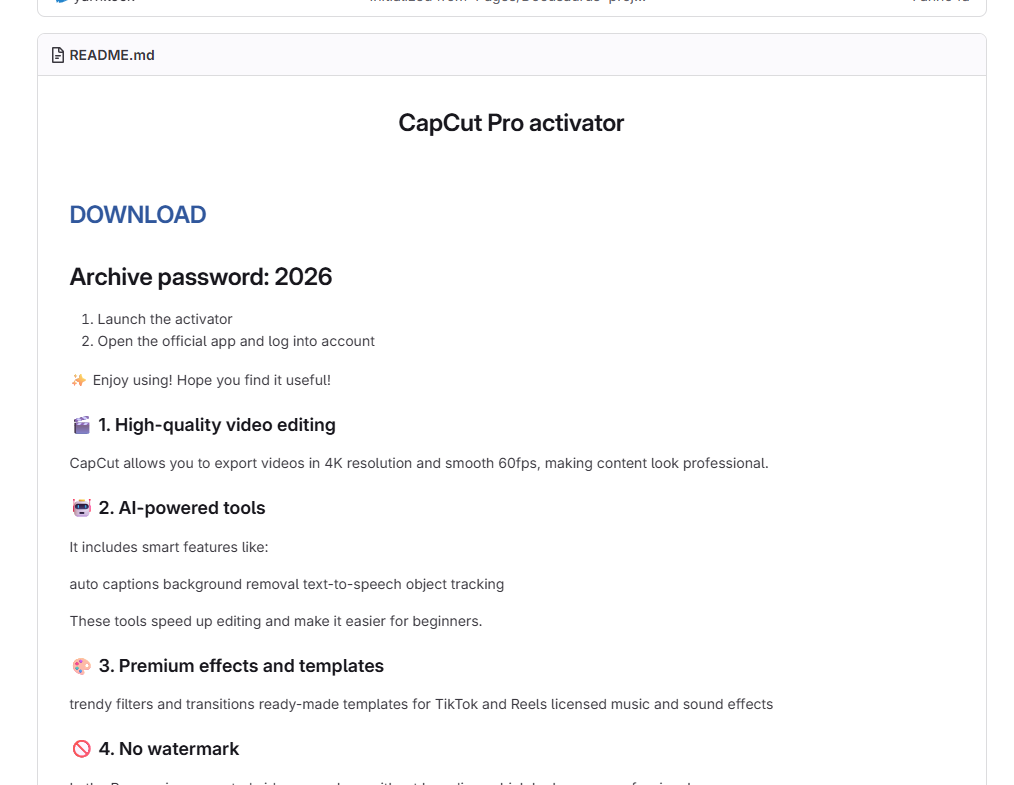
Finally, in the campaigns analyzed in this post, OXLoader was distributed through fake activators and cracks for popular software, downloaded from GitLab.
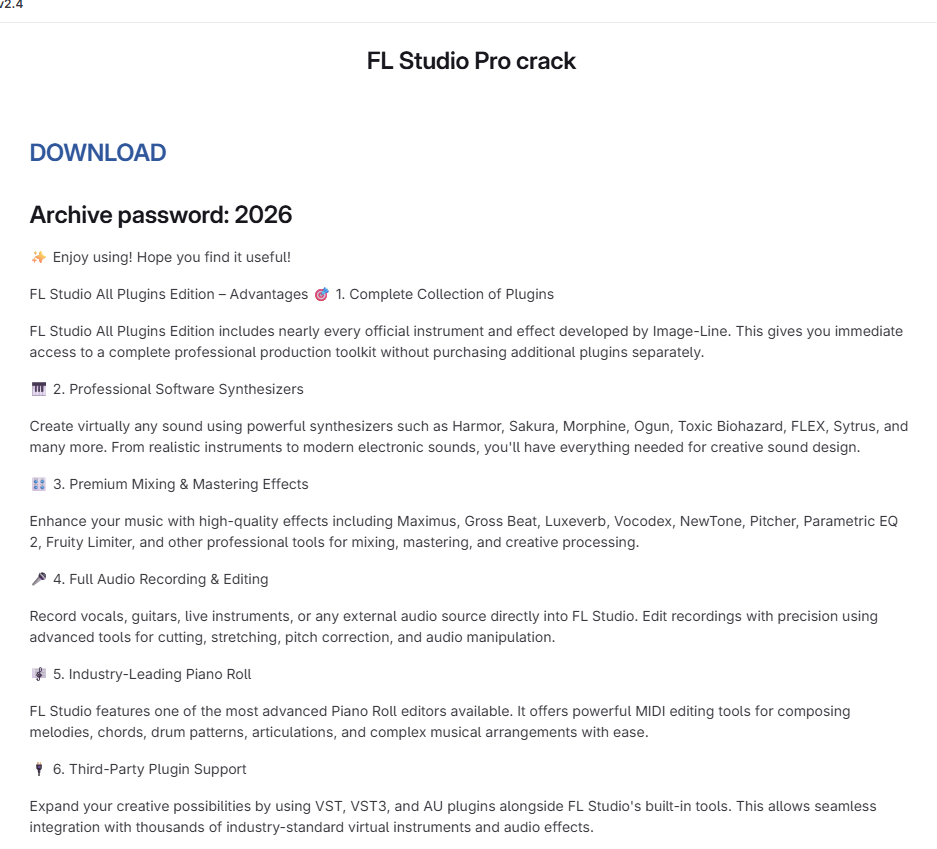
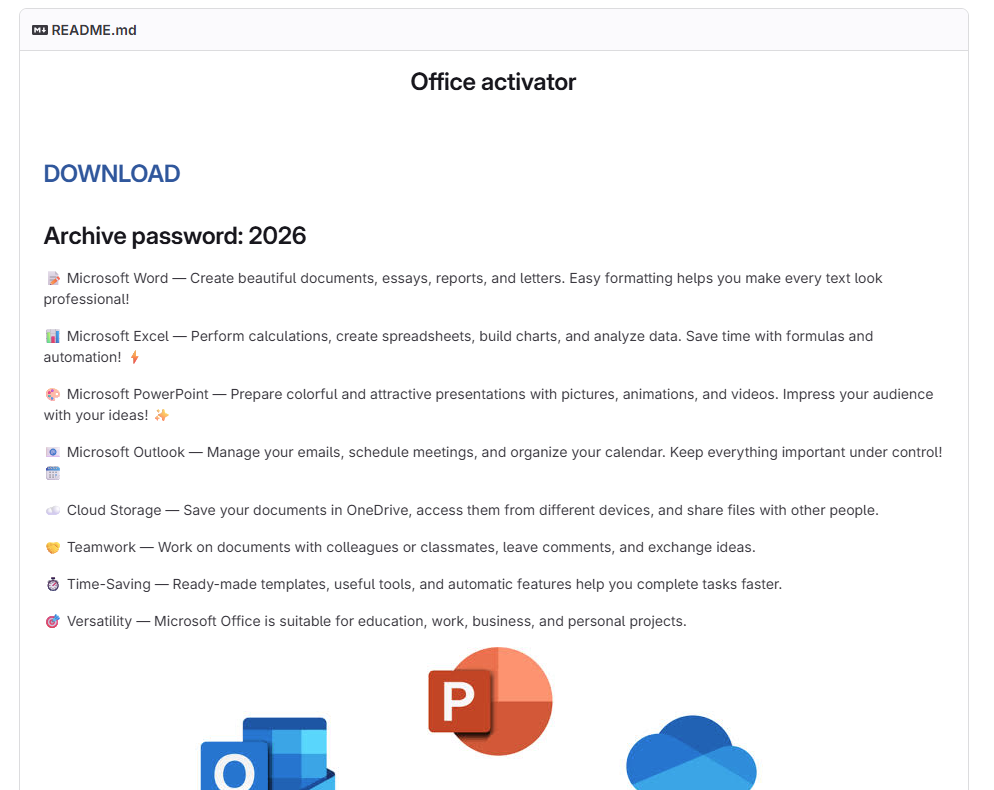
Technical analysis of OXLoader
In this campaign, users download software activators from GitLab, triggering the infection chain.
Stage 1: DLL hijacking
The archive downloaded by the user contains several legitimate DLLs, along with a legitimate executable from Take-Two Interactive Software, which is used to perform DLL hijacking using the UnityPlayer DLL. The manifest.json contains encrypted shellcode, which is decrypted and injected into another legitimate DLL.
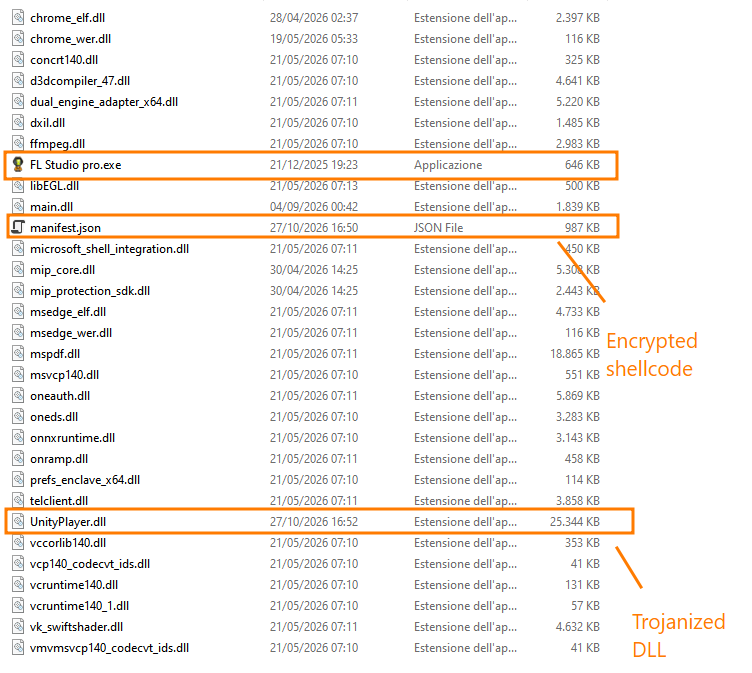
The DLL at address 0x18054485b contains a jmp instruction that calls the code responsible for decrypting the remaining code at 0x1807a3372. This decryption code differs across the cases we analyzed.
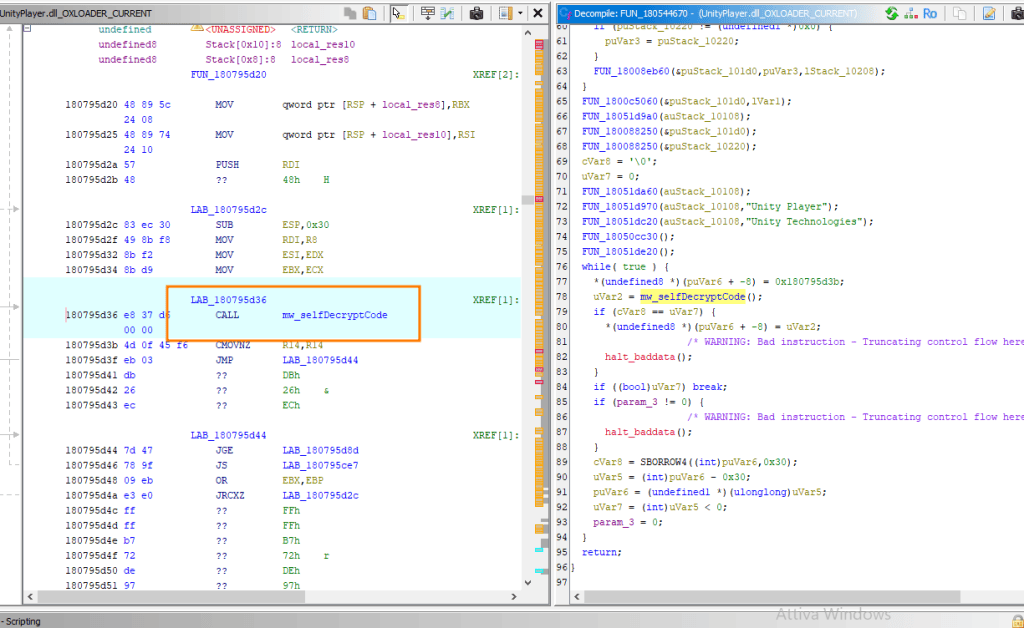
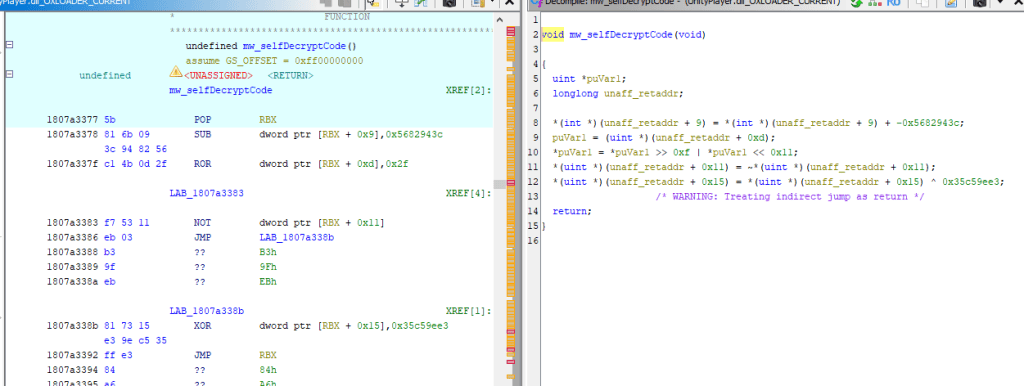
The code is heavily obfuscated using opaque predicates, control flow flattening (CFF), and mixed Boolean arithmetic (MBA). We therefore used the Sogen emulator to trace the main functions that execute and identify the malware code that called them.
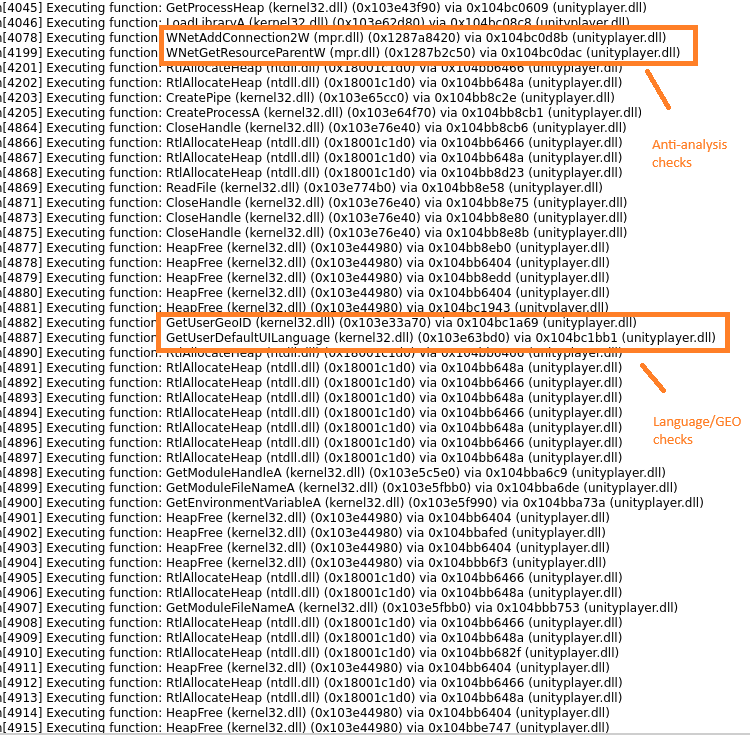
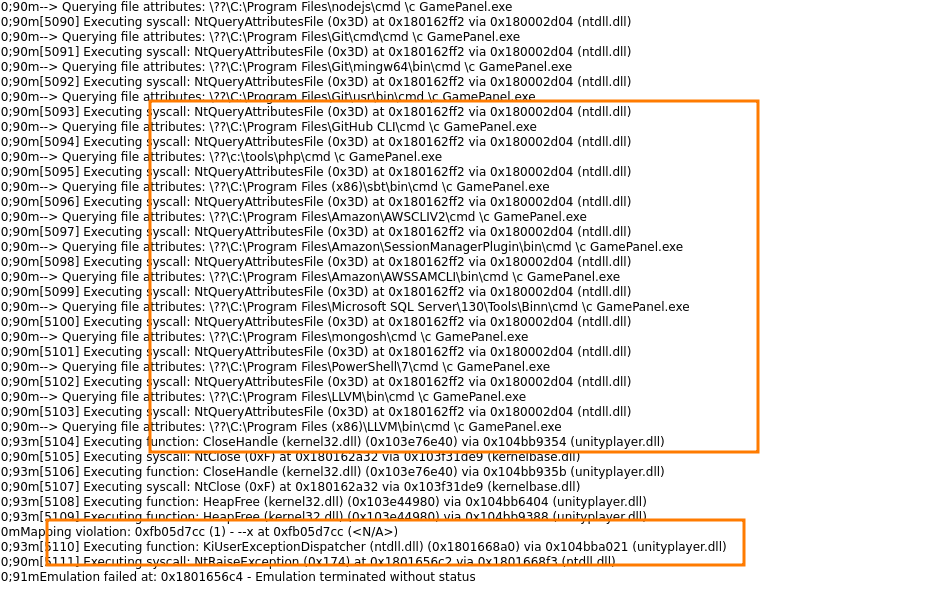
The values used by the remaining functions are decoded using two functions:
- The function at the address
0x1807a2282decrypts the data using the following formula:input1 ^ (input2 + 0x33fda). - The function at the address
0x1807a2624is responsible for decrypting an 8-byte chunk; this function is called multiple times by other wrappers to decrypt the complete strings.

The anti-analysis and language checks we observed are similar to those identified by Elastic, with the minor addition of a check using WNetGetResourceParentW to detect virtualized environments.
| Description | Value |
| Invalid values to detect virtualized environments | Pass invalid values using the functions WNetAddConnection2W and WNetGetResourceParentW and check if the LastErrorValue is ERROR_BAD_NET_NAME (67) and ERROR_INVALID_ADDRESS (487) |
| CPU-count | NumberOfProcessors greater than or equal to 3 |
| Display Refresh rate | Executes a PowerShell command and it checks if the result is equal to or greater than 20 Hz |
| Geographical location | GetUserGeoID compared with 5 (Azerbaijan), 7 (Armenia), 29 (Belarus), 137 (Kazakhstan), 130 (Kyrgyzstan), 152 (Moldova), 203 (Russia), 228 (Tajikistan), 247 (Uzbekistan), 238 (Turkmenistan) |
| UI-Language | GetUserDefaultUILanguage compared with 0x419 (Russia) |
The refresh rate is obtained using this PowerShell command:
powershell "Get-WmiObject Win32_VideoController | Select-Object -ExpandProperty CurrentRefreshRate" It’s possible to bypass the anti-analysis checks by patching the function 0x1807999c2. Otherwise, if an analysis environment is detected, the system is shut down via a cmd command, or jumps to an invalid address.
The necessary files are then copied to a randomly named folder in ProgramData. In this case, the files were:
C:\ProgramData\{Random 7 characters}\ fl studio pro.exe
C:\ProgramData\{Random 7 characters}\unityplayer.dll
C:\ProgramData\{Random 7 characters}\manifest.json
C:\ProgramData\{Random 7 characters}\awindows.storage.dll
A cmd command is executed to add a RunOnce registry value and executes the extracted main executable.
cmd /c cmd /C"set XG=n\&&set N8C=\Software\Mic&&set N5bM=r&&set 7Xg4=RunOnce /t REG_SZ /f&&set hjaB=re&&set wj= add&&set G7E=rentVersio&&set 3uc=rosoft\Windows\Cu&&set NF= HKCU&&set fD6k=g&&call set ku8m=%hjaB%%fD6k%%wj%%NF%%N8C%%3uc%%N5bM%%G7E%%XG%%7Xg4%&&call %ku8m% /v "NAAHjWuOj" /d "C:\ProgramData\fjwgyNK\ fl studio pro.exe"" Stages 2 and 3: Shellcode decryption and Donut Loader
awindows.storage.dll is a legitimate DLL used to inject the next stage. It has an additional .text section that contains the original digital signature while the DLL is on disk. After the DLL is loaded into memory with LoadLibraryA, the contents of the new section are replaced with the shellcode decrypted from manifest.json. This differs slightly from Elastic’s analysis, in which the shellcode was located in the .reloc section.
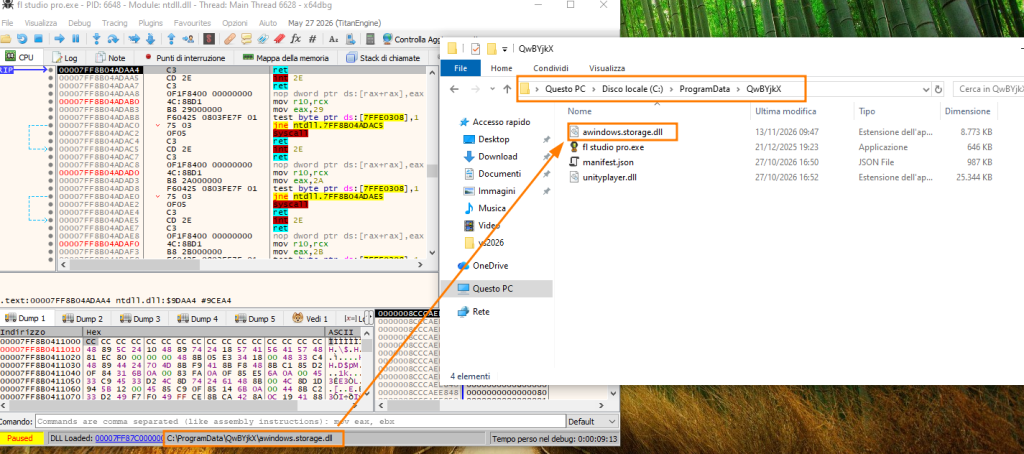
The shellcode is decrypted and executed using call r12. It performs several XOR self-decryptions of the code, in a manner similar to the DLL previously analyzed.
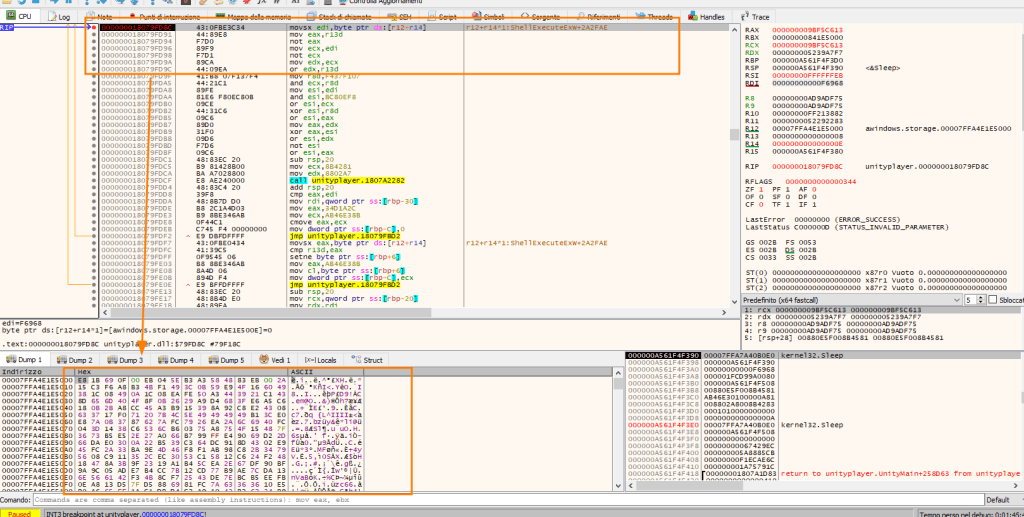
manifest.jsonIn addition to the windows.storage.dll, we identified other DLLs used by OXLoader for injection, including:
windows.StateRepository.dllwmp.dllmshtml.dllieframe.dll
The encrypted shellcode on disk can also have different names, such as Dependencies.manifest or titles.png.
After the code is decrypted, Donut Loader executes a DLL compressed with APLib.
Stages 4 and 5: A PE loader and LOLD downloader
The next stage executed by Donut Loader is another obfuscated PE with control-flow flattening, MBA, with a custom section .text0 and just four imports. Despite the complex obfuscation, the next stage is saved in cleartext at address 0x140001000 and loaded into the memory of the process itself.
This stage is a downloader which has some internal references marked as LOLD (for example, the mutex “LOLD_”). We won’t analyze it in detail in this post because it is outside the scope of this investigation.
The strings and the configuration are decrypted using a custom SplitMix64 XOR algorithm; the configuration is stored in a custom section called .mscfg.
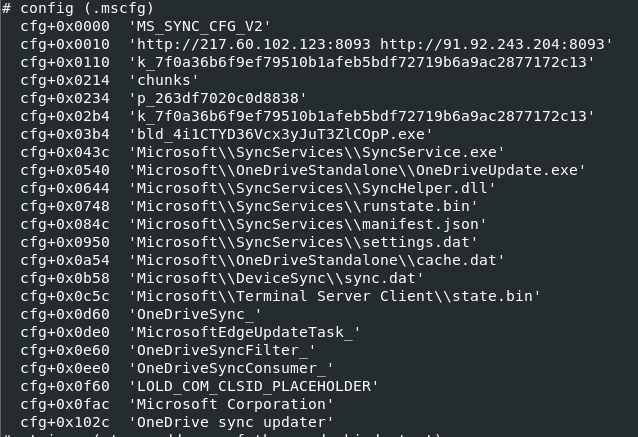
The decrypted strings include references to the malware’s injection phases:
- payload launch: GhostedHollowing backend
- Self-donor direct module target selected
- ElevatedGhostedHollowing
- GhostedHollowingSelfDonor
- GhostedHollowingLaunchPayloadElevatedSelfDonor returned failure
At the time of our analysis, the C2 servers associated with LOLD were offline. Based on our analysis of other activity related to OXLoader and LOLD, we observed several HTTP requests to port different ports, including 8093, 8080, and 8700.:
/chunks/p_{RANDOM}/{different numbers}.bin
/ws/publisher?deviceId=
/files?prefix=inbox/
/api/client/report
/api/modules/pins
/api/modules/client-recovery/1.1.8
These HTTP requests and the artifacts analyzed are attributed to the Hermes malware family.
IOCs
IP
217[.]60[.]102[.]123: LOLD C2
91[.]92[.]243[.]204: LOLD C2
Hash
AC8547F5AF42DC6932367EBCB162FB0E: UnityPlayer.dll, trojanized DLL
A9D620B690F84D552986A4872D57849E: Encrypted shellcode, manifest.json
B97730BA59B158F400E67050406CB3EA: Decrypted shellcode
27b3fd4a4ac2c2f62f7b175ca904c8f7: Donut module, PE loader
5A0B0BAE87A464228398696517FCF6F5: LOLD payload
Domain
guestsisfilesjpmp[.]com: OXLoader distribution
wovplaying[.]help: OXLoader distribution
biklonasmain[.]net: OXLoader distribution
videohostinginsort[.]net: OXLoader distribution
videovisitors[.]com: OXLoader distribution
URLs
oz-cloud[.]com/oz-cloud[.]zip: OXLoader distribution smartkitcheneg[.]com/lskg9021oasIgfwqow2[.]zip: OXLoader distribution
Acknowledgements
Stop threats before they can do any harm.
Malwarebytes Browser Guard blocks phishing pages and malicious sites automatically. Free, one click to install. Add it to your browser →