Activate subscription >
Add devices or upgrade >
Renew subscription >
Secure Hub >
Don’t have an account? Sign up >
< Products
< Resources
< Help
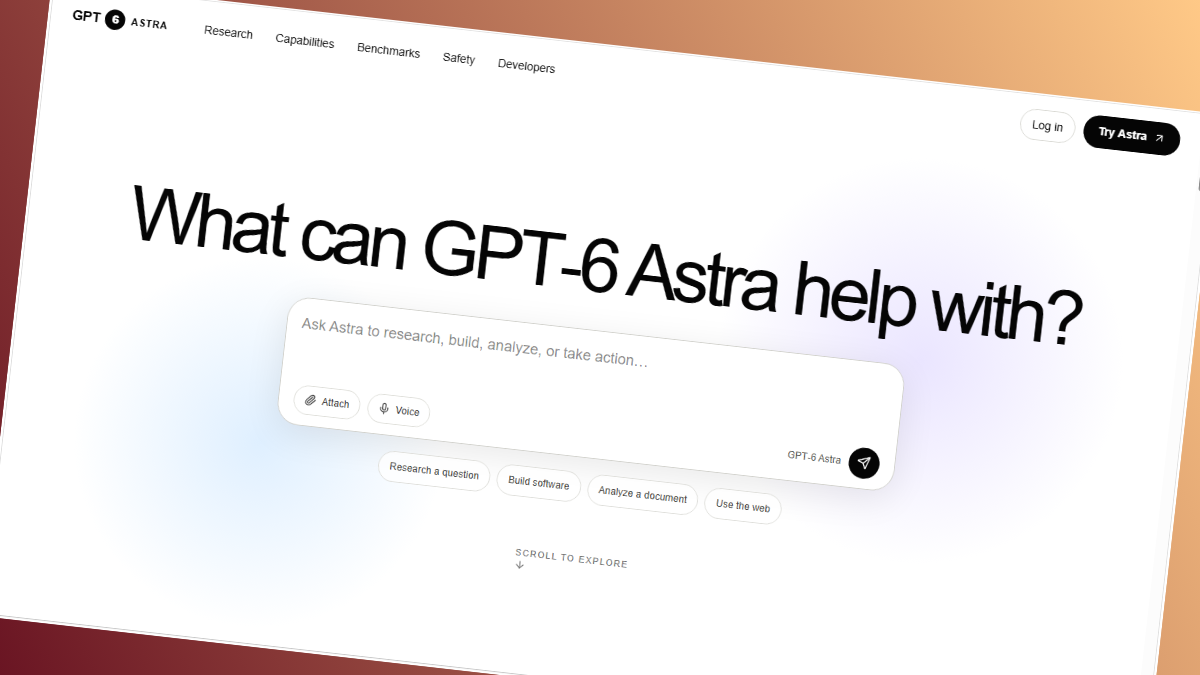
More than 100 linked sites use a $249 toolkit to turn copied product names and unfamiliar AI brands into paid subscriptions.
Parcel delivery phishing messages impersonate familiar couriers and use small fees or promised refunds to steal personal and financial information.
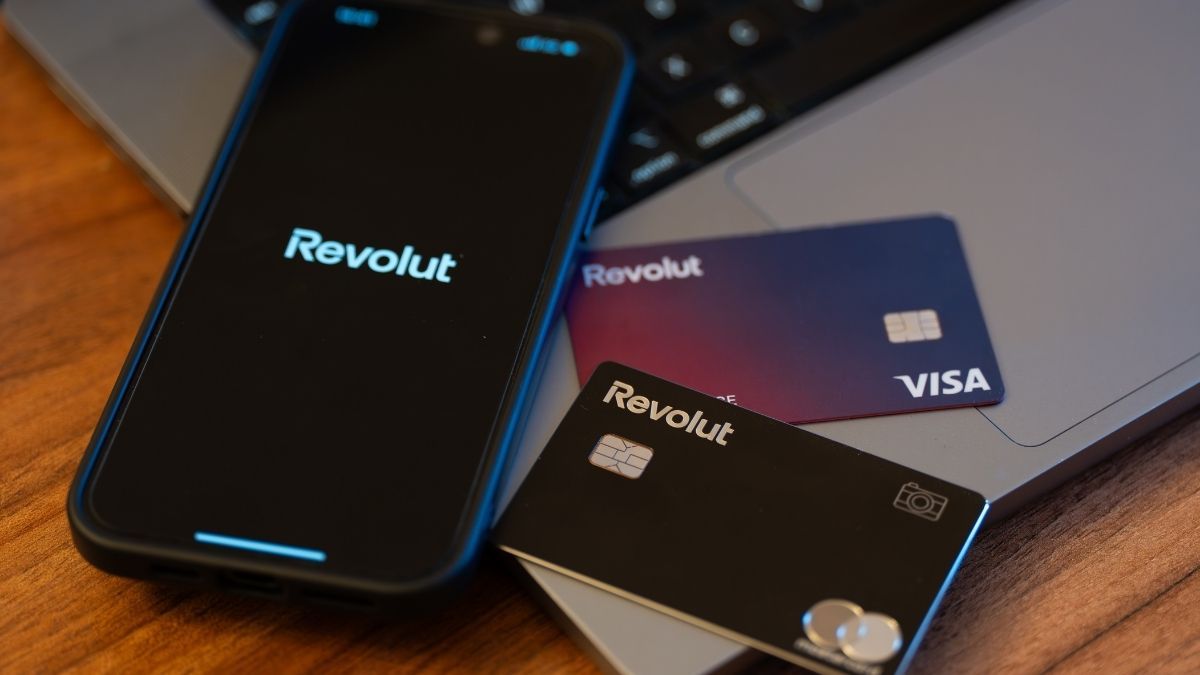
Revolut customers received phishing texts only days after the digital bank acknowledged disclosing customer data to a government impostor.
A large phishing campaign is using fake T-Mobile rewards points and looming expiry dates to pressure recipients into clicking malicious links.
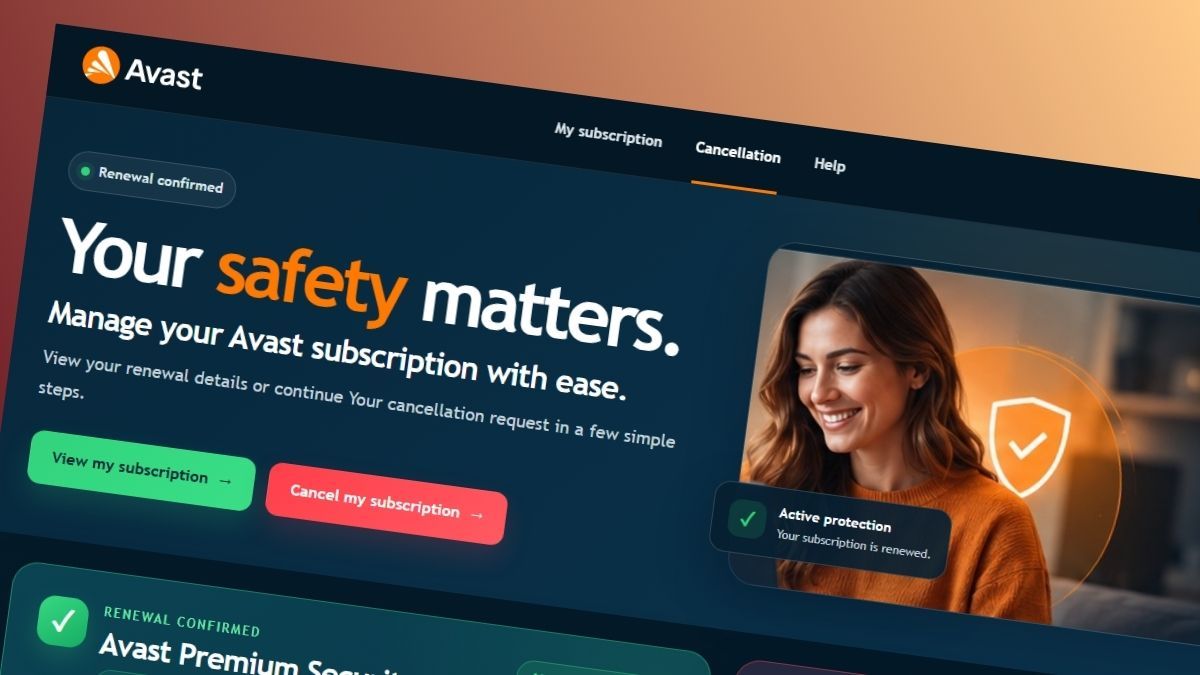
A fake Avast renewal page shows how AI is helping scammers create more convincing traps with polished designs and fluent copy.
Fake Bitrefill checkout pages are appearing in search results and tricking people into sending cryptocurrency directly to scammers.
Personalized replies and voice notes make it increasingly difficult to tell whether you’re talking to a human, chatbot, or AI agent.
Social media ads for a free streaming service exposed roughly 570,000 people to StreamRat, a banking Trojan that can take control of infected phones.
Tech support scams have evolved beyond fake virus warnings. Here’s how scammers reach their targets now, and how to stay safe.