Activate subscription >
Add devices or upgrade >
Renew subscription >
Secure Hub >
Don’t have an account? Sign up >
< Products
< Resources
< Help
Scammers use fake TikTok login pages, warnings, and verification offers to trick you into handing over your account details.
Bogus “Play Now” sites are exploiting the GTA 6 leak hype to spread malware that steals passwords stored in browsers.
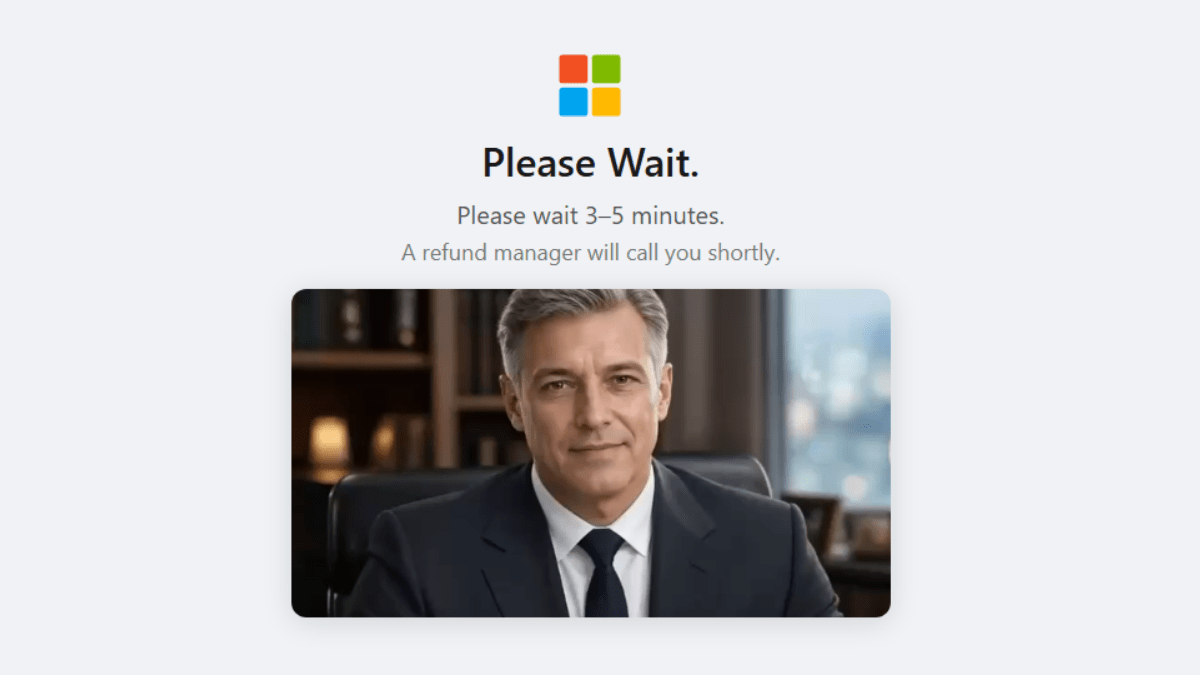
We found fake Microsoft-branded scanners that invent security problems, tell victims to uninstall AV, and then steer them into a refund scam.
A legitimate-looking link or valid digital signature can offer false reassurance. Here’s why familiar download safety checks aren’t always enough.
We found wallet-checking sites impersonating real anti-money laundering services that trick people into approving access to scammers.
TikTok-branded rewards pages offer cash for simple tasks and daily check-ins. But getting your hands on the money is another story.
TikTok Shop is huge, so it's no wonder that impersonation shops have popped up. Here's how to stay safe.
Fake branded download pages are tricking Windows users into installing legitimate remote-access software that's being abused by attackers.
Different logos, different color schemes, same scam.
Contributors
Threat Center
Podcast
Glossary
Scams