Activate subscription >
Add devices or upgrade >
Renew subscription >
Secure Hub >
Don’t have an account? Sign up >
< Products
< Resources
< Help
Latest news
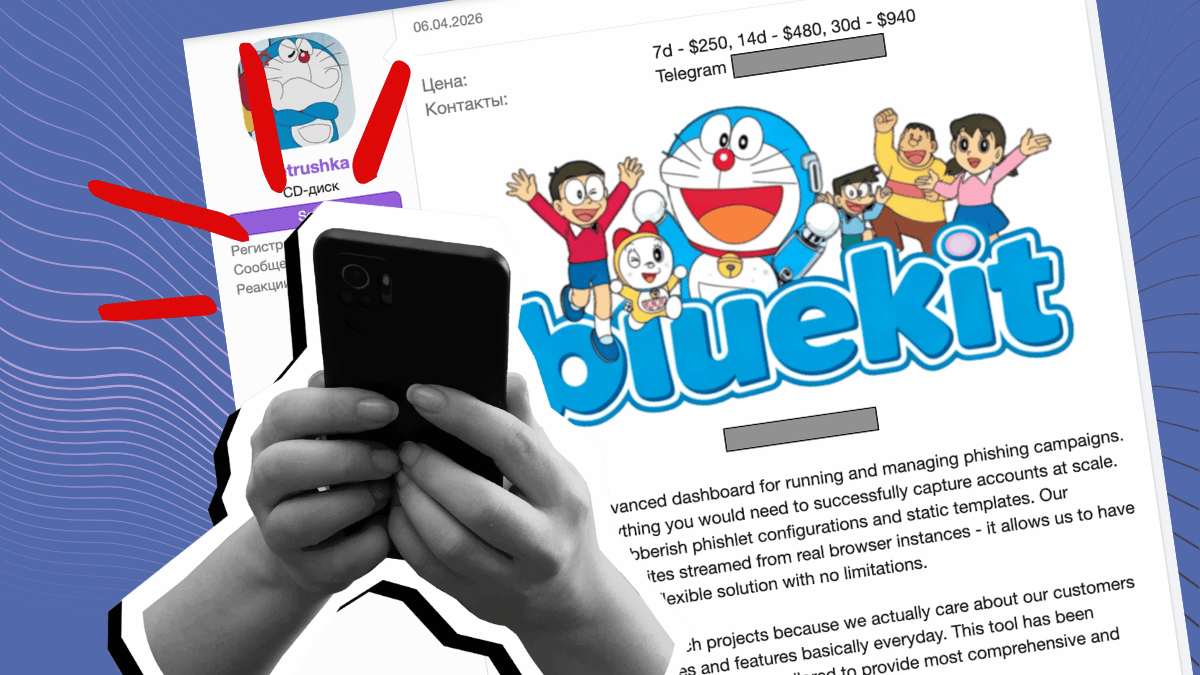
BlueKit puts account-hijacking tools in more criminals’ hands, making it easier to target you with convincing fake login pages and scam messages.
Facebook users are reporting receiving a message with a fake Facebook Marketplace listing that has their name as the seller.
More than 70 fake crypto sites promise extra rewards for casting a vote, then prompt visitors to connect their wallets.
How to protect everything
Facebook ads spread fake Windows 11 downloads that steal passwords and crypto wallets
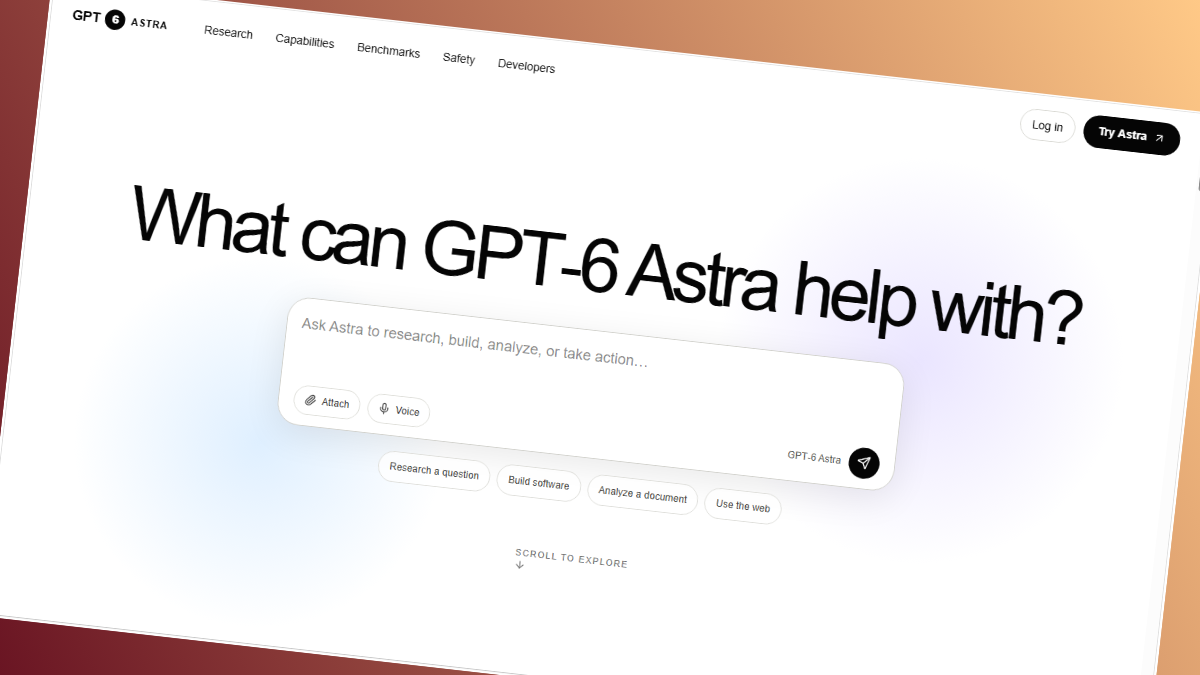
Scammers use fake “Gemini” AI chatbot to sell fake “Google Coin”
Outlook add-in goes rogue and steals 4,000 credentials and payment data
“Poseidon” Mac stealer distributed via Google ads
Listen to the
Lock & Code podcast
See all past episodes
How attackers use real IT tools to take over your computer
How real software downloads can hide remote backdoors
Malwarebytes has a security solution to fit your needs
Shield your devices from hackers, scammers, and more with our award-winning antivirus and web protection.
Free Mobile customers received very convincing phishing emails after major data breach.
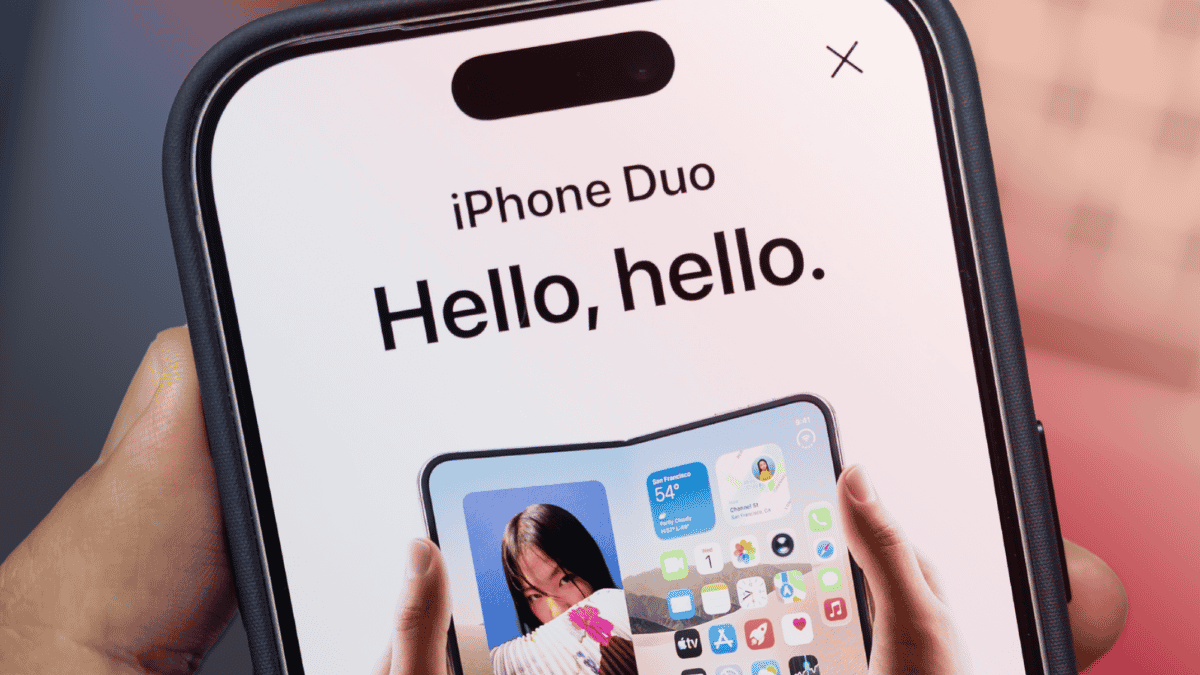
A fake iPhone Duo preorder page promises a $500 voucher. Open it on a vulnerable iPhone, and it tries to break in before you fill out the form.
Kothamine uses a legitimate Tailscale tool to receive attackers’ commands through an encrypted connection with no malicious domain to block.
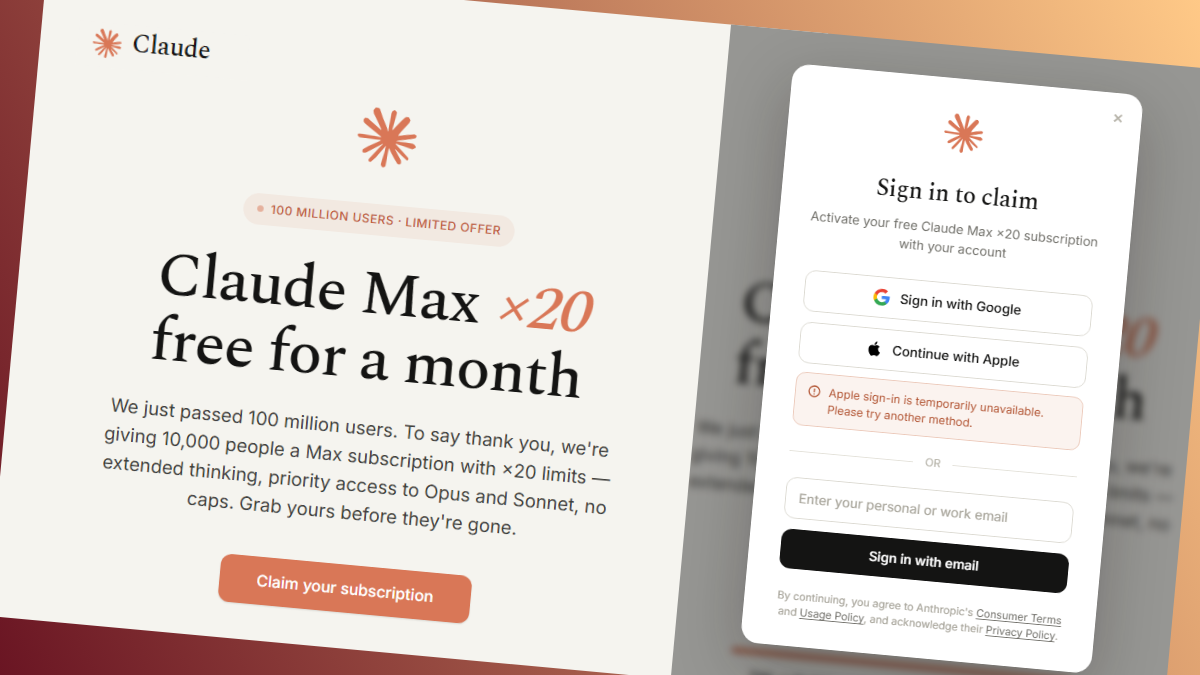
A convincing offer of a free Claude Max subscription uses a fake browser window to steal Google login information.
More than 100 linked sites use a $249 toolkit to turn copied product names and unfamiliar AI brands into paid subscriptions.
Parcel delivery phishing messages impersonate familiar couriers and use small fees or promised refunds to steal personal and financial information.