Activate subscription >
Add devices or upgrade >
Renew subscription >
Secure Hub >
Don’t have an account? Sign up >
< Products
< Resources
< Help
A convincing “creator portal” uses your own YouTube videos and viewing figures to steal your Google login.
An interview invitation becomes a trap for your Facebook and Google passwords, even with two-factor authentication turned on.
More than 70 fake crypto sites promise extra rewards for casting a vote, then prompt visitors to connect their wallets.
A fake iPhone Duo preorder page promises a $500 voucher. Open it on a vulnerable iPhone, and it tries to break in before you fill out the form.
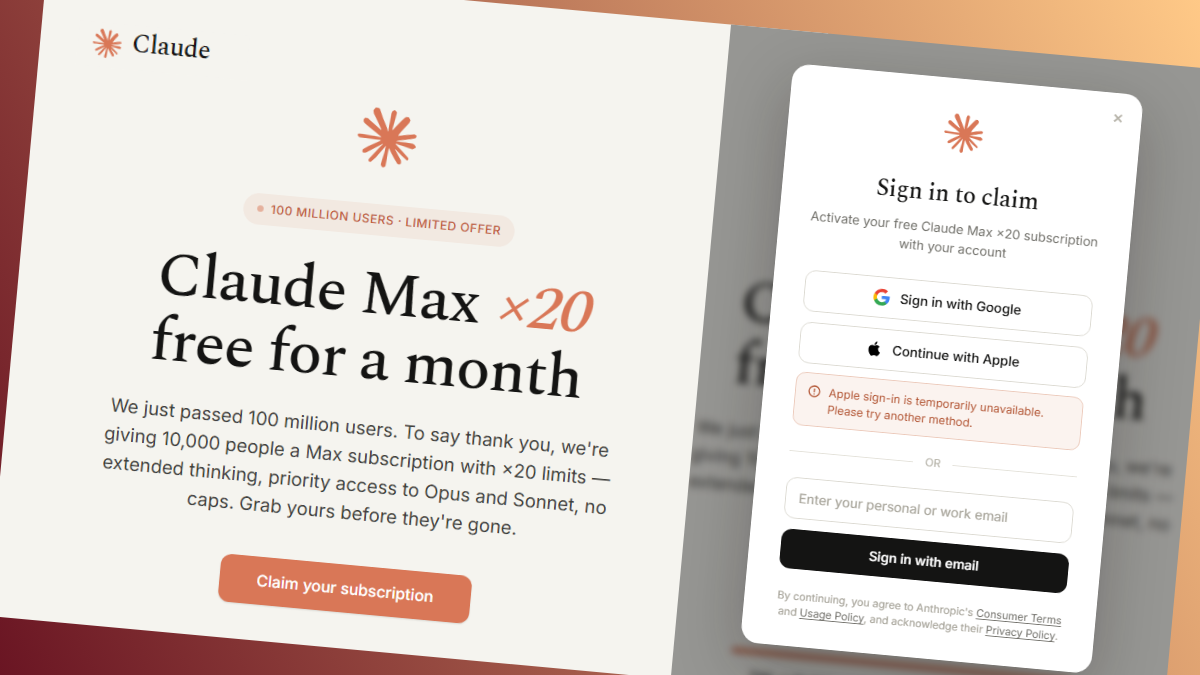
A convincing offer of a free Claude Max subscription uses a fake browser window to steal Google login information.
More than 100 linked sites use a $249 toolkit to turn copied product names and unfamiliar AI brands into paid subscriptions.
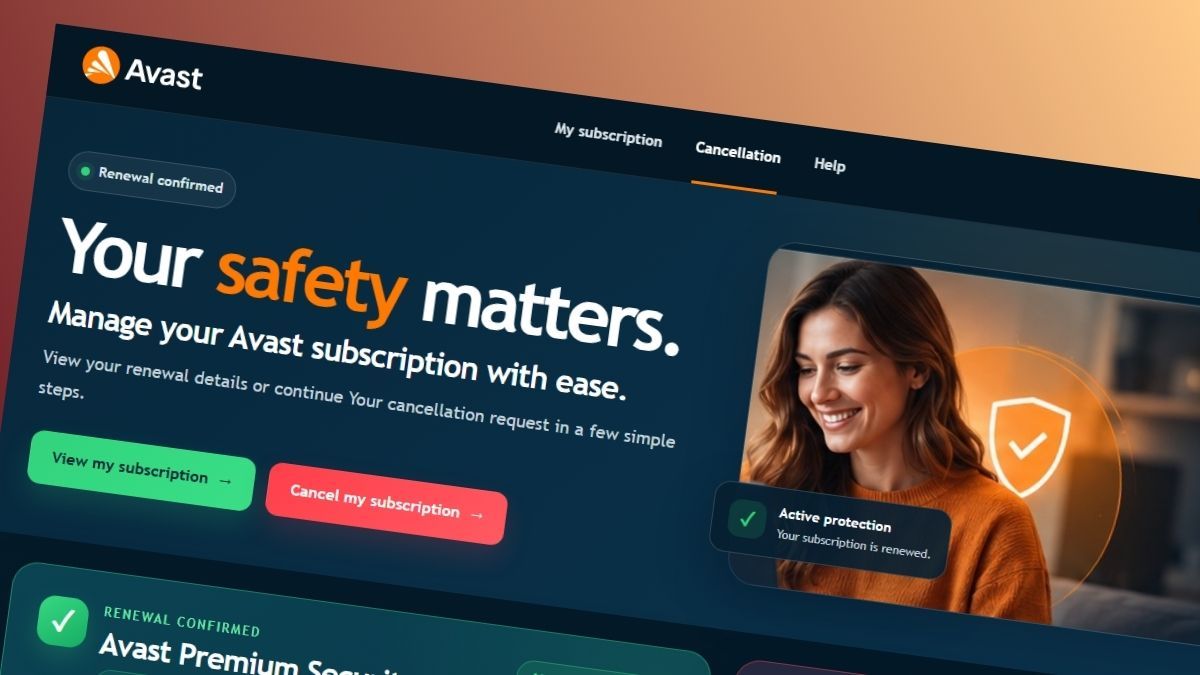
A fake Avast renewal page shows how AI is helping scammers create more convincing traps with polished designs and fluent copy.
Fake Bitrefill checkout pages are appearing in search results and tricking people into sending cryptocurrency directly to scammers.
A fake GTA 6 leak is using wallet-draining code to steal cryptocurrency, tokens, and NFTs from eager fans.
Contributors
Threat Center
Podcast
Glossary
Scams