Activate subscription >
Add devices or upgrade >
Renew subscription >
Secure Hub >
Don’t have an account? Sign up >
< Products
< Resources
< Help
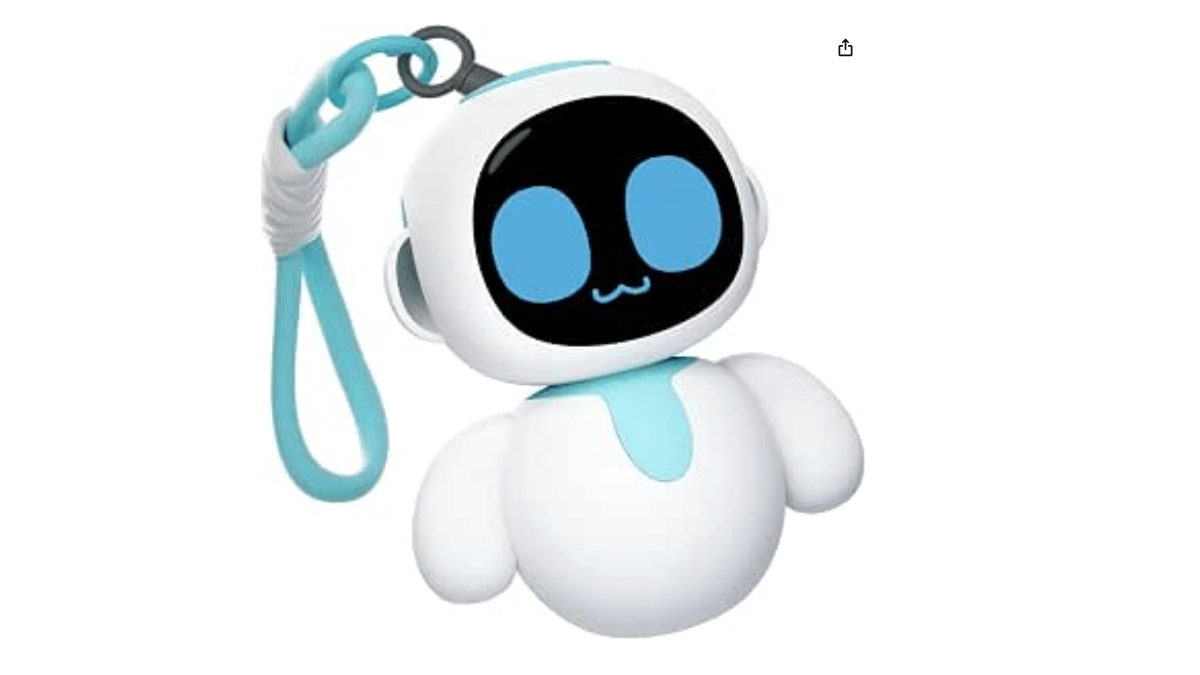
A researcher found serious flaws in Eiliko’s security, exposing private conversations and allowing remote changes to what the robot says.
Eight US states and a mother of two accuse the ChatGPT maker of putting children’s safety and privacy at risk.
Researchers say small AI models could be capable of spreading across vulnerable smart devices within months.
Anthropic’s Claude submitted a made-up tip about an unsolved murder during testing.
If you use an AI assistant to summarize your inbox, hidden instructions could turn a phishing email you wisely ignored into your next to-do item.
Google has frozen its OSS VRP product vulnerability submissions to stop the flood of AI generated vulnerability reports.
An AI shortcut can send confidential work data beyond your company’s control. Here’s how to get the benefits without taking unnecessary risks.
Betting site DraftKings has been accused of using AI to target gamblers likely to lose more after receiving promotions. The company disputes the findings.
A buyer chatted and negotiated with Muse, which shared the seller’s address and arranged a pickup. The seller knew nothing about it.