Activate subscription >
Add devices or upgrade >
Renew subscription >
Secure Hub >
Don’t have an account? Sign up >
< Products
< Resources
< Help
Keep on top of the latest data breach news.
Amazon thinks it knows your body, your family, and your life. You didn't sign up for it, and we couldn't find a way to opt-out.
Meta’s Muse AI builds personal dossiers that would make the FBI jealous. Even people who never signed up can get caught in its files.
Google has new Android updates, but many users will not be able to get patched immediately.
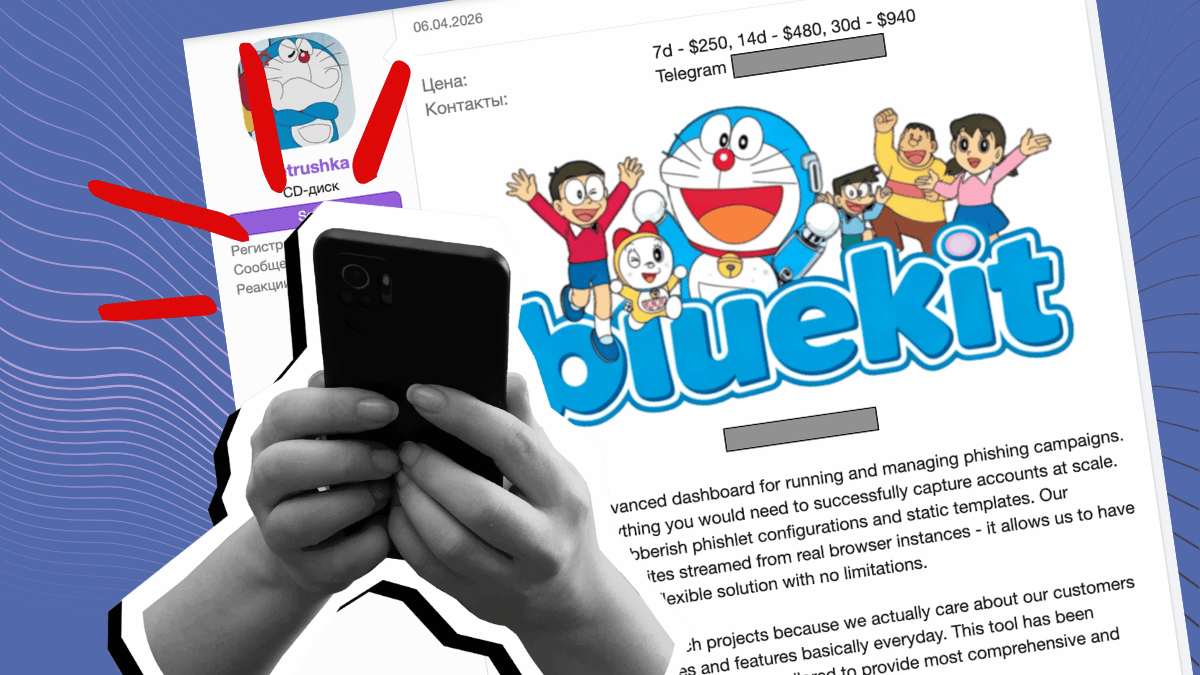
BlueKit puts account-hijacking tools in more criminals’ hands, making it easier to target you with convincing fake login pages and scam messages.
Google has released a new update for the Chrome browser and ChromeOS. There are a lot of security fixes in them so don't delay.
The net is tightening around the Shiny Hunters cybercrime group following the reported arrest of a second member.
ASOS customers received a push notification regarding a breach of the company. Here's what we know so far.
Facebook users are reporting receiving a message with a fake Facebook Marketplace listing that has their name as the seller.
Domino's is warning customers by email that their accounts have been compromised in a credential stuffing attack.
Contributors
Threat Center
Podcast
Glossary
Scams