If you pay for something, you expect it to work as intended. The vendor shouldn’t start turning features off just because you won’t accept its new rules. Someone should tell Samsung, which just upset users of its health app by threatening exactly that—before changing course after a user backlash.
Nice data you have there. Shame if anything happened to it.
In mid-July, Samsung health users started seeing a new toggle titled Consent to the Use of Health Data for AI Training and Modelling.
Those flipping the toggle off reportedly saw a warning:
“You will not be able to sync health data with your Samsung account and your health data will be deleted unless retained pursuant to applicable law. If retention is required, we will erase it as soon as the required retention period ends.”
HowtoGeek has a copy of the original warning. Note the ominous options it provides: Cancel or Withdraw and delete data.
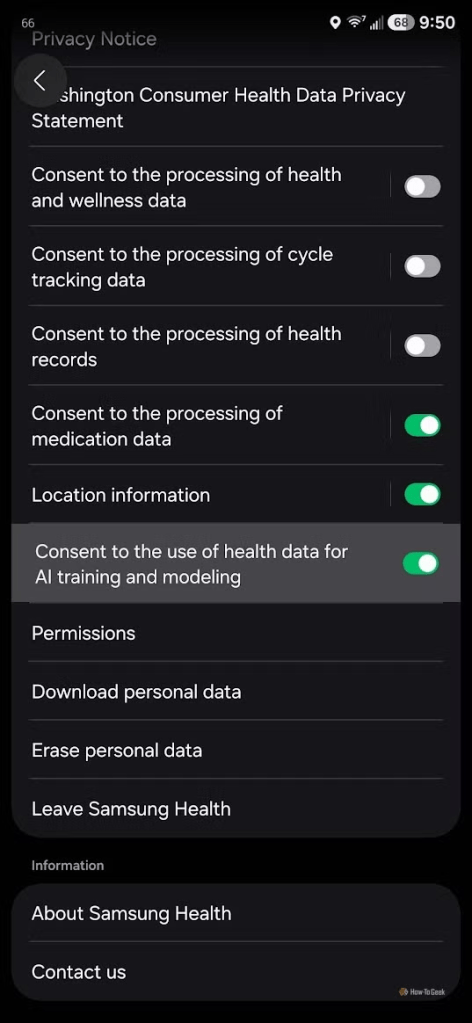
The warning effectively gave users a stark choice. Let Samsung use your intimate data to train its AI, or lose that data along with meaningful access to the health app.
Then, it backtracked. After user pushback and a query from enthusiast site SamMobile, Samsung clarified that withdrawing consent only removes data retained for AI training and modeling. Users’ health data and Samsung Cloud sync will continue to work normally. SamMobile confirmed that cloud sync kept running after consent was withdrawn.
A treasure trove of information
The frustrating part of this is that the more loyal a Samsung user was, the more the original threat would have hurt them. Some people have spent years letting Samsung harvest mountains of information in the app. That can include body measurements, nutrition, step count and activity, sleep, medications and dosages, clinical health records, and menstrual data. Consumer health apps like Samsung Health generally aren’t covered by HIPAA.
So just because Samsung has backtracked, should you let it have free access to your data for AI training? Consider the specific privacy document the app’s pop-up request now sends you to when you ask it for more details.
The document says it will use all of the above data, and that will be subject to human review, but doesn’t say whether those reviewers are Samsung staff or third-party contractors. There’s no mention of data anonymization in this document or in Samsung’s health app privacy policy. The broader 3,200-word Samsung privacy policy has a whopping two-sentence section on how it secures user data. It says that it will anonymize user data “in some cases”.
An industry pattern
None of this should surprise us. Technology companies have a habit of trying to change the rules and then stepping back if customers get angry enough.
Adobe told users it could do whatever it wanted with work they created with its tools in mid-2024, only to hurriedly promise not to train AI with it when people freaked out.
WhatsApp tried to make its users agree to share their data with Facebook in 2021. If they didn’t, features on the app would slowly stop working, it said. It eventually backpedalled globally after Indian and German regulators stood up to it.
In 2017, a Sonos executive warned that if users didn’t agree to its new privacy terms, their speakers could stop working altogether.
Then there’s Samsung itself. This isn’t the first time it has faced criticism over customer privacy. In March, it settled with the Texas Attorney General over collecting Smart TV viewing data without proper opt-in. Then there were allegations that some of its budget phones included software critics described as unremovable spyware. The privacy optics for the company haven’t been great lately.
What to do next
With incidents like these in mind, we think the best place to keep your data is always at home. By all means use the cloud, but back up data from cloud-based services whenever you can. Many of these, such as Apple and Google, let you download your data.
So if you use Samsung Health, press the three dots on the top right of the app and then select Settings. Then scroll down to the toggle that says Consent to the use of health data for AI training and modelling. Turn it off if you’re not happy with it. Before you do that, click Download personal data and grab a local copy. Just in case.
Your name, address, and phone number may already be for sale.
Data brokers collect and sell your personal details to anyone willing to pay. Malwarebytes Personal Data Remover finds them and gets your information removed, then keeps watch so it stays that way.