Activate subscription >
Add devices or upgrade >
Renew subscription >
Secure Hub >
Don’t have an account? Sign up >
< Products
< Resources
< Help
Attackers tampered with AOMEI Backupper’s update system to deliver malware that could give them remote access to users’ PCs.
The California Department of Education notified students about a data breach at contractor Educational Testing Service.
A researcher found serious flaws in Eiliko’s security, exposing private conversations and allowing remote changes to what the robot says.
Sending out lots of job applications without keeping track could make a scammer’s message look like a reply you’ve been waiting for.
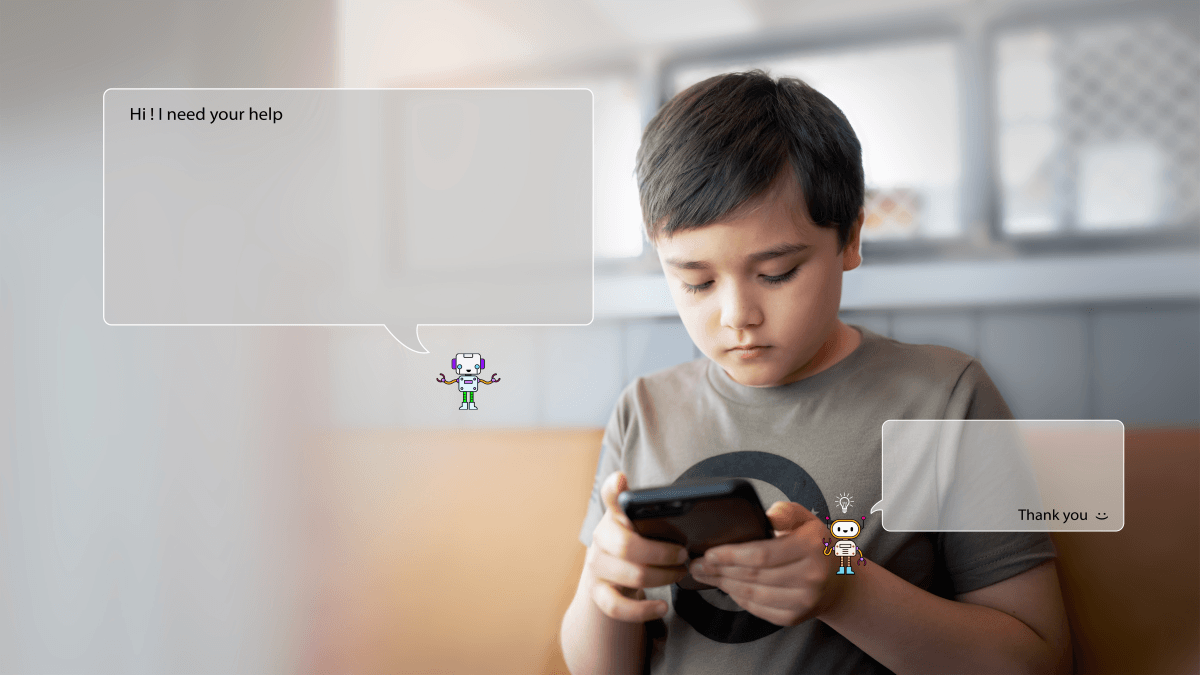
Eight US states and a mother of two accuse the ChatGPT maker of putting children’s safety and privacy at risk.
Some flaws could let attackers run malicious code on your device through a crafted webpage.
The FTC accuses Digital Forensics Corporation and affiliated companies of exploiting people seeking help with intimate-image blackmail.
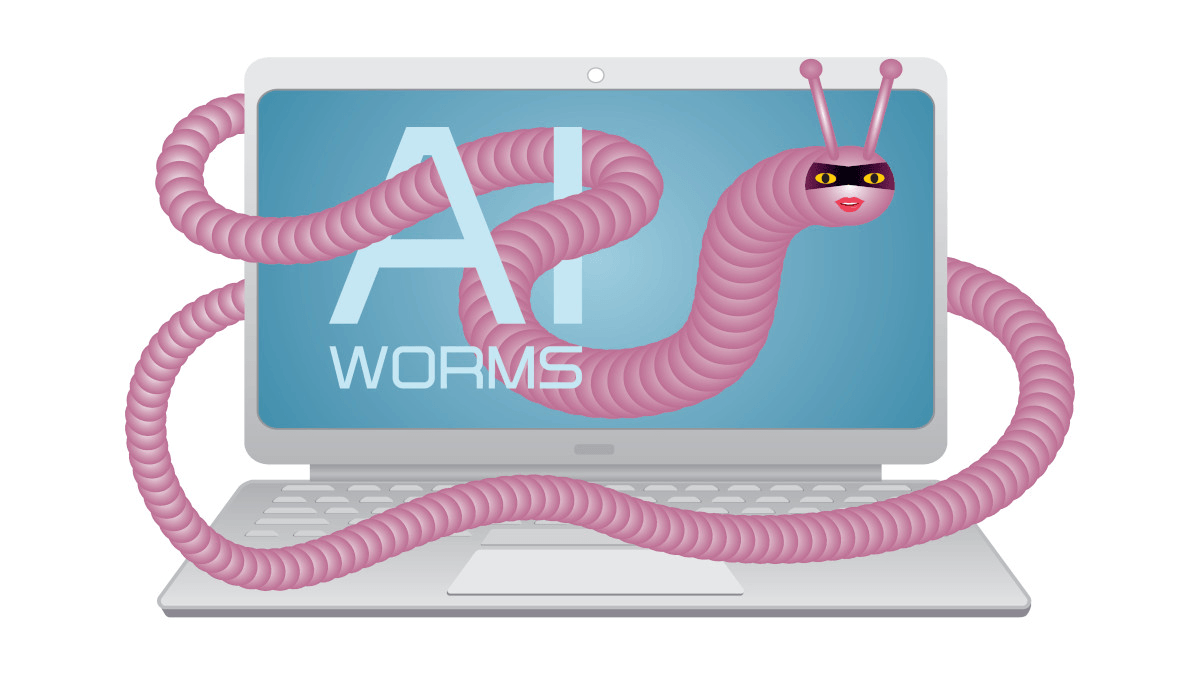
Researchers say small AI models could be capable of spreading across vulnerable smart devices within months.
Microsoft’s October updates address a record 1,413 vulnerabilities, including a Windows flaw attackers are already exploiting and two other zero-days.
Contributors
Threat Center
Podcast
Glossary
Scams