Activate subscription >
Add devices or upgrade >
Renew subscription >
Secure Hub >
Don’t have an account? Sign up >
< Products
< Resources
< Help
Retro gaming fans should be careful with GitHub projects that claim to be tools or plugins for their consoles. We looked at one example aimed at PlayStation Vita owners.
We found dozens of fake World Cup streaming sites using football as bait to funnel visitors through a malicious advertising network.
A convincing fake FACEIT verification page is stealing Steam accounts by using a fake login window that looks completely legitimate.
Invoices pretending to be from Amazon, PayPal, and others reveal how criminals use fear and phone calls to steal money and devices.
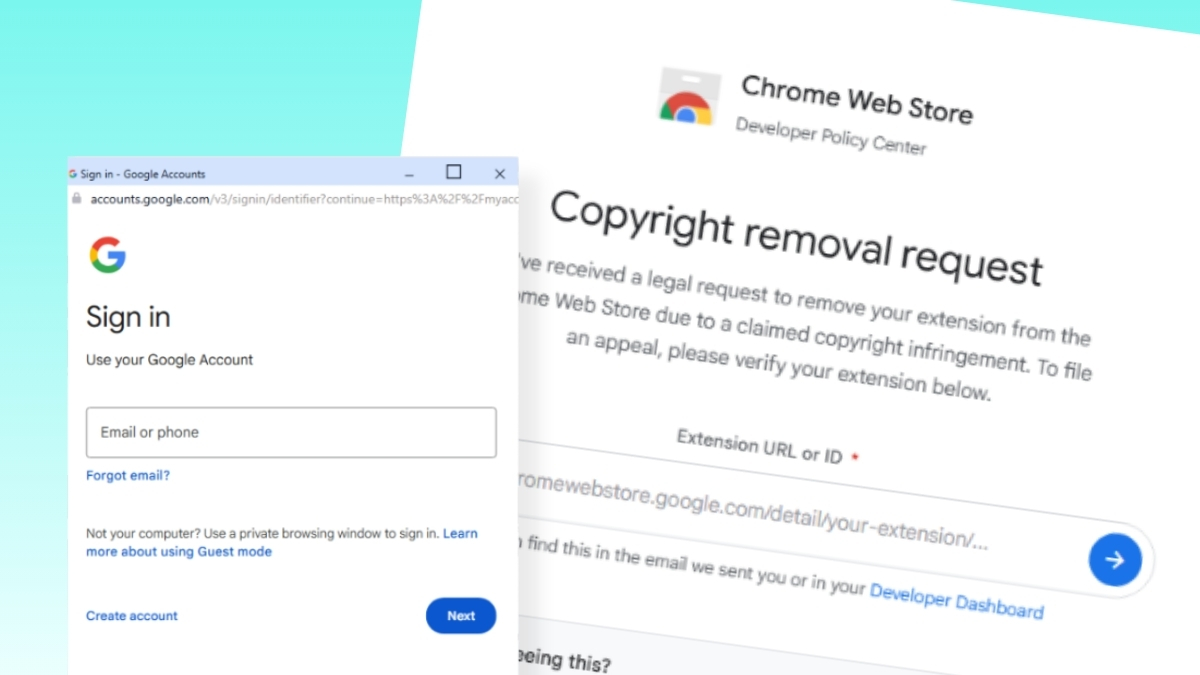
Scammers use fake takedown requests, countdown timers, and spoofed sign-in screens to steal Google logins from Chrome developers.
A fake BlueWallet download tricks Mac users into running malware that steals passwords, crypto wallets, and clipboard data.
Windows is replacing old Secure Boot certificates, and some older PCs could miss future security protections if the update fails.
Searching for ChatGPT? This fake download site serves malware to both Windows and Mac users, using separate payloads tailored to each platform.
A four-part scam economy is already forming around the 2026 World Cup, using the tournament’s brand to sell everything from fake visas to worthless tokens.
Contributors
Threat Center
Podcast
Glossary
Scams