Activate subscription >
Add devices or upgrade >
Renew subscription >
Secure Hub >
Don’t have an account? Sign up >
< Products
< Resources
< Help
Latest news
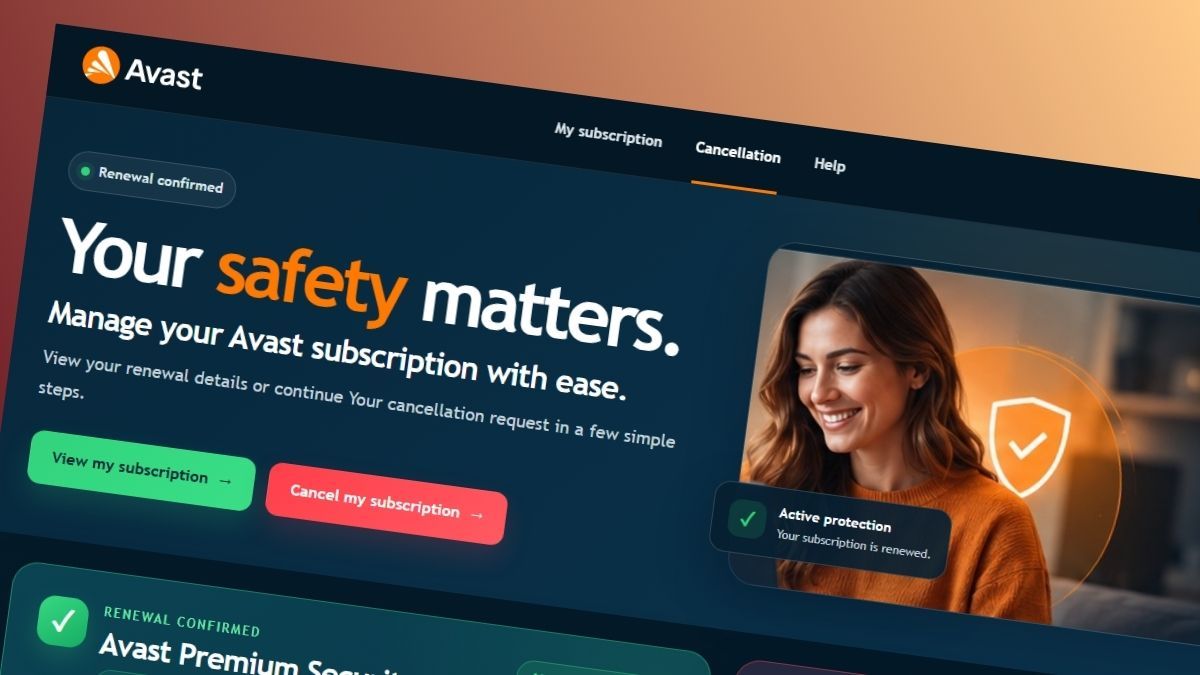
A fake Avast renewal page shows how AI is helping scammers create more convincing traps with polished designs and fluent copy.
Fake Bitrefill checkout pages are appearing in search results and tricking people into sending cryptocurrency directly to scammers.
Personalized replies and voice notes make it increasingly difficult to tell whether you’re talking to a human, chatbot, or AI agent.
How to protect everything
Facebook ads spread fake Windows 11 downloads that steal passwords and crypto wallets
Scammers use fake “Gemini” AI chatbot to sell fake “Google Coin”
Outlook add-in goes rogue and steals 4,000 credentials and payment data
“Poseidon” Mac stealer distributed via Google ads
Listen to the
Lock & Code podcast
See all past episodes
How attackers use real IT tools to take over your computer
How real software downloads can hide remote backdoors
Malwarebytes has a security solution to fit your needs
Shield your devices from hackers, scammers, and more with our award-winning antivirus and web protection.
Social media ads for a free streaming service exposed roughly 570,000 people to StreamRat, a banking Trojan that can take control of infected phones.
Tech support scams have evolved beyond fake virus warnings. Here’s how scammers reach their targets now, and how to stay safe.
A fake GTA 6 leak is using wallet-draining code to steal cryptocurrency, tokens, and NFTs from eager fans.
Scammers are posing as employers on Indeed to trick job seekers into installing fake Android interview apps that deliver malware.
Scammers use fake TikTok login pages, warnings, and verification offers to trick you into handing over your account details.
Bogus “Play Now” sites are exploiting the GTA 6 leak hype to spread malware that steals passwords stored in browsers.