Activate subscription >
Add devices or upgrade >
Renew subscription >
Secure Hub >
Don’t have an account? Sign up >
< Products
< Resources
< Help
That "free" adult TikTok site could leave you with spam, unwanted apps, or fake verification fees.
Scammers are using fake V-Bucks offers and locker value sites to hijack Fortnite accounts.
Behind TikTok's booming growth industry are fake engagements, stolen accounts, and a fast track to getting flagged.
Fake Walmart stores are offering unbelievable bargains on liquor to lure shoppers into entering their credit card details.
A phishing site posing as a free Call of Duty Points giveaway is stealing Activision logins and two-factor authentication codes.
The release of The Odyssey has already sparked a wave of piracy scams, from fake browser errors to malware masquerading as movie files.
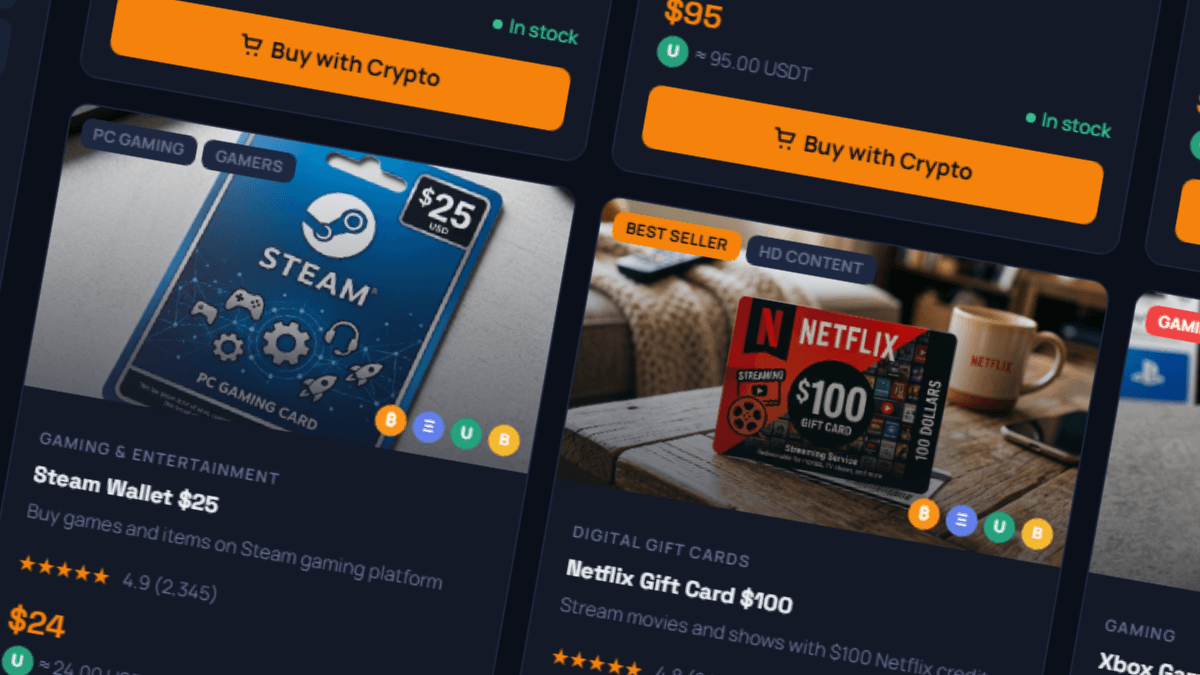
Scam crypto gift card stores look almost identical to the real thing. One wrong click can leave you with no card and no way to get your money back.
Crypto prediction games promise easy wins, but some are little more than token sales or outright scams. Here's what to look for.
Scammers are tricking Reddit and Discord users into handing over login codes by claiming they were involved in a false report.
Contributors
Threat Center
Podcast
Glossary
Scams